


Fiji lawyer raises questions after cocaine goes missing
A Fijian lawyer says the disappearance of cocaine from the Suva High Court could complicate the criminal case for which the drugs were seized.
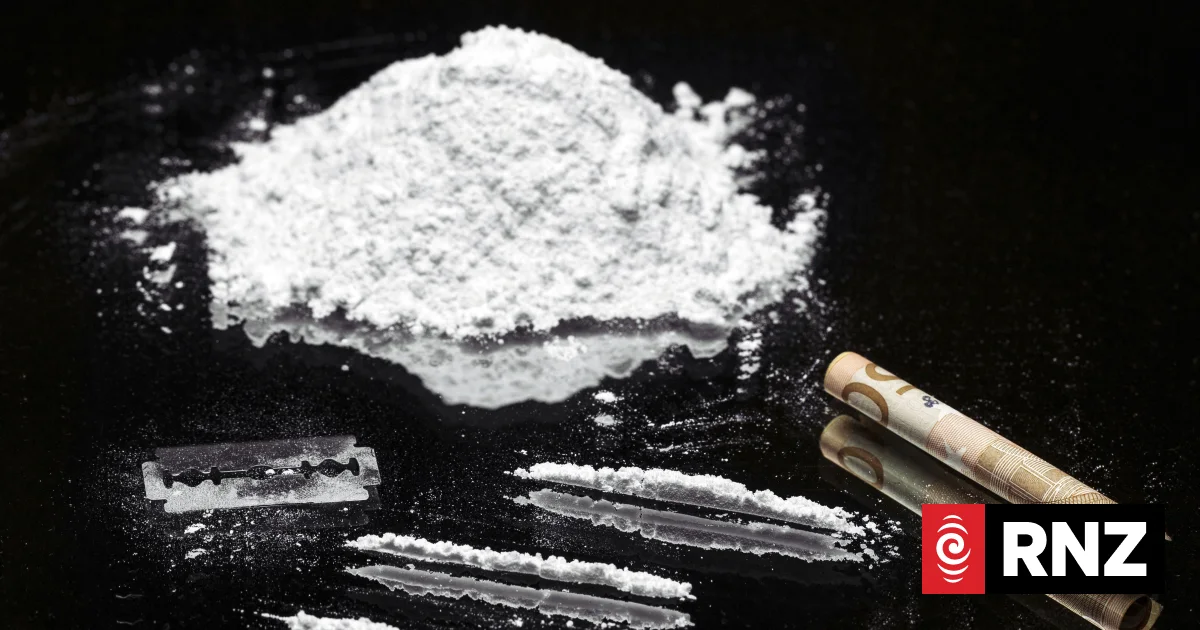
The cocaine, weighing nearly 40kg with an estimated street value about US$14 million, was being held in the court’s exhibit room as evidence in the high-profile case involving Fiji-Canadian national Joshua Aziz Rahman.
The drugs were discovered missing after forensic testing found that what was believed to be cocaine had been replaced with flour.
Rahman was convicted in Fiji of unlawful possession of illicit drugs – 39.5kg of cocaine – and originally sentenced to 23 years’ imprisonment with a non-parole period of 14 years. His conviction was quashed by the Fiji Court of Appeal in February. The court ordered a retrial, resulting in his release.
However, in August 2026, the Supreme Court restored the original conviction and sentence, allowing the State’s appeal and overturning the Court of Appeal’s ruling.
Roopesh Singh from Patel and Sharma Law Firm in Nadi told Pacific Waves that the cocaine would have been important in proving Rahman was in possession of the drugs.
“That’ll be one of the most important evidence at the end of the day to be tendered to prove any accused’s guilt of what was found, what was in fact seized and found in possession of the accused,” Singh said.
However, he said the disappearance does not necessarily mean prosecutors have no other options.
“There could be circumstantial evidence that could be used,” he said, adding that it would be up to the court to consider the evidence presented by the Office of the Director of Public Prosecutions (ODPP).
Singh also raised concerns about how individual court officers were able to access security systems at the High Court.
He said the amount of cocaine involved and how it was tampered with should prompt the Fijian government to do more to secure drug exhibits.
“It’s not something that you go in and take. Someone had a lot of time to do that.”
Fiji Police confirmed on Wednesday that CCTV covering the evidence room was not working and the biometric security was faulty when the drugs went missing.
Police have also confirmed that six people of interest are now being investigated.
Singh said access to drug exhibits should be more restricted, with only a small number of senior officials knowing where they were stored.
The ODPP defended its drug-disposal protocols, saying its policies changed after the establishment of the Anti-Narcotics Division in 2024 and that it is now prioritising applications to destroy drug exhibits.
Fiji’s Prime Minister Sitiveni Rabuka described those involved in removing the drugs from the court evidence room as “rogue elements” and has urged the public to have confidence in the judiciary.
