


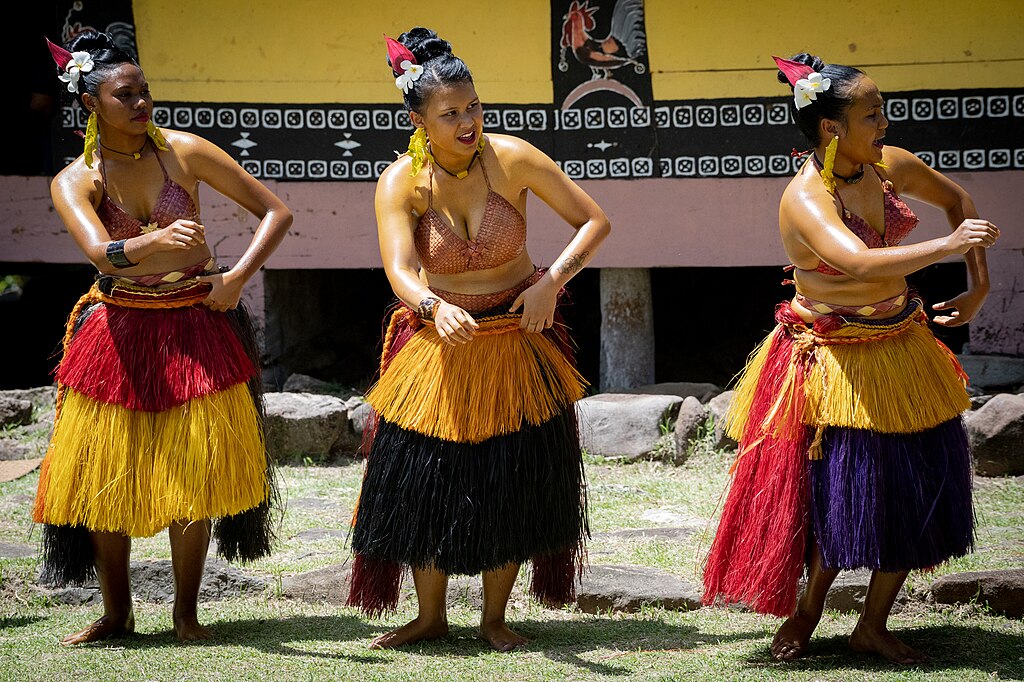
Palau lies in the western Pacific Ocean and belongs to the Micronesia subregion of Oceania. The island enjoys one of the highest standards of living, yet it still relies heavily on U.S. foreign aid to maintain this status. Despite such aid, 24.9% of the population live in poverty, and disabled people face an even higher risk, just as in many other places.
There are many hardships that make life difficult for able-bodied people in Palau, which, while difficult, are manageable, but when extra factors that impact disabled people come into play, the barriers seem near impossible to overcome.
With a high life expectancy of 69.3 years and a population of 17,907, the disparity between the richest 20% and the poorest 20% is surprising, and substantial steps are needed to resolve this. This is especially important when the people most affected by this disparity are disabled people, who make up 3.4% of Palau’s population. In Palau, the poorest 20% of the population get 9% of the income, which is a massive contrast to the richest 20% who get 42% of the income.
The country seems aware of these differences, recently realizing that the lack of a clear definition of disability is making it harder to help those with disability live out of poverty. A clear definition helps with recognition of an issue and will overall make a positive influence on those with disability in poverty. Below are the top five things to know about disability and poverty in Palau and how it can improve over time.
1. Accessible Homes
The country has worked hard to improve the standard of living for disabled people, and the Committee on the Rights of Persons with Disabilities recently applauded Palau for its efforts to make housing accessible, not just for the disabled, but also for the elderly. In 2024, the government allocated $500,000 through the supplemental budget for the PHA to use on eight housing projects. The Committee noted great improvement in accessibility in this area. Since these actions are recent, there are no observable the outcomes of these projects, but the Committee’s positivity signals promising improvement.
2. Transport
Despite major accessible housing improvements, the Committee on the Rights of Persons with Disabilities felt that the country needed more in terms of accessible transport. If there isn’t an accessible way for someone with a disability to independently get around, gaining employment and living above the poverty line becomes much harder. This highlights the importance of disability and poverty being impactful on one another in communities, as independence is integral to keeping people out of poverty.
Though the state has some vehicles, they are only available via request, again highlighting work to be done. The Republic of Palau has recently put plans in place to build more roads and bridges to then increase the amount of public transport for all.
3. Health Care Expenditure
About 14.3% of Palau’s GDP goes to Healthcare Expenditure. This allows for disability and poverty to be recognized as it means that there is a focus on making disabled people’s health care accessible and easy, thus making independence more attainable. However, the lack of transport still limits health care, adding boundaries to disabled people in poverty, but doctors provide exceptional quality of care, when people can get there. This highlights the importance in the recognition of disability and poverty in Palau, as when one factor improves, such as transport, it can have a knock-on effect on many other industries, such as health care.
4. National Day
Palau joined the global community in recognizing the National Day for Persons with Disabilities. The day promotes the idea that every person deserves equal opportunities, dignity and inclusion. The population gets to reflect on how the country has strived for this equality in recent years. This reflection adds to the recognition of the correlation between disability and poverty, as people get to think about the lives of others they would not usually think about, and this reflection creates a good set up for future improvement in the workplace, transport, housing, etc. This national day occurs every December 3rd.
5. Persons With Disabilities Act
Lawmakers passed this act to help disabled people take an active role in society, whether through employment or other opportunities. This Act increases disability visibility, and with more than 2,800 people in Palau living with at least one disability, equality should be a given. Ensuring equal opportunity should help lift people out of poverty, since expanding access to income benefits everyone.
Takeaways
Continuous improvements in Palau are a pathway to a disabled person’s independence and visibility in Palau. With accessible homes and transport, disabled people will be able to have more agency in their own lives, suggesting a steady change to disparity on the island.
The battle against global poverty is a marathon, not a sprint, and recognition of issues within a country is a significant step forward to long-term change and the reduction of poverty. Realizing correlations such as the one between disability and poverty allows for change and improvements in the lives of thousands on the island, whether they be disabled themselves or the primary caregiver.
Overall, the five facts to know about disability and poverty in Palau highlight that while Palau still needs change and it is necessary, it is happening. While the disabled population of Palau have felt “invisible” in recent years, the latest government action shows positive visibility may be around the corner.
– Caitlin Cooper
Caitlin is based in Aberdeen, UK and focuses on Global Health and Politics for The Borgen Project.
Photo: Wikimedia Commons
