


Overview:
A recall petition against Ngchesar Delegate Rebecca Ngirmechaet has cleared the required signatures — but not without controversy. As the process moves forward, many residents are pushing back, arguing the claims are vague, personal and unsupported. The debate is raising bigger questions about leadership, accountability and when a recall is justified.
Voters defend Ngirmechaet’s record, say accusations lack evidence and reflect personal grievances
By: L.N. Reklai
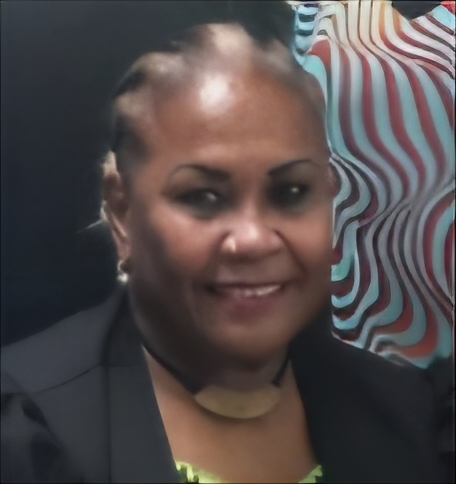
KOROR, Palau (April 2026) — A second petition to recall Ngchesar State Delegate Rebecca Sebalt Ngirmechaet has met the signature threshold required to move forward, but residents are sharply divided over whether the claims behind the effort are justified.
Organizers of the petition submitted 125 signatures, enough to trigger the next step in the recall process for Ngchesar’s representative to the House of Delegates of the Olbiil Era Kelulau.
The updated petition expands the grounds for recall to five claims. It alleges Ngirmechaet does not collaborate effectively with fellow delegates and government officials, described as “Diak el modak,” or an inability to work toward consensus. It also claims she lacks the communication skills needed to unite people, weakening Ngchesar’s influence in the House (“Diak el Bekobuai”).
Additional allegations state that she does not speak clearly or explains herself carelessly (“Omeu a Osul”), holds another job and therefore does not take her legislative role seriously (“Ngousumengoit a ngerachel”), and is more interested in the title than the responsibilities of office (“Diak el Ulsemuul”), reflecting poorly on the House.
However, several Ngchesar residents interviewed questioned both the accuracy and fairness of those claims, describing them as vague, personal or unsupported by evidence.
“I don’t understand what they mean by ‘Ngdiak el bekobuai,’” said one Ngchesar voter. “She is involved in every activity in Ngchesar, even before she became a delegate. She uses her own personal resources to help with community events. I think these reasons in the petition are just personal feelings.”
Another longtime voter disputed the allegation that Ngirmechaet neglects her duties because of outside work, pointing to her visible participation in recent community activities.
“They say she ‘Ngousumengoit a ngerachel,’ but she was with us the past two weekends for Earth Month activities,” the voter said. “She helped prepare meals for the students and joined all the activities.”
A voter of nearly five decades in Ngchesar said criticism appears to be coming primarily from within the state and not from colleagues elsewhere.
“People of Ngchesar know her personality,” the voter said. “I haven’t heard anyone from other states complain about her. I’ve seen many governments come and go, and she is very involved with the community. She lives here and understands local needs.”
The same voter urged caution in pursuing a recall so early in the term.
“Let her finish her four-year term, and if she did not do well, we can replace her,” the voter said. “But to do so after one year is ‘terrached el merkid ma beluu ra Ngchesar.’”
Other residents also questioned whether the allegations meet a standard for removal from office.
“She has not committed any criminal act or violation of rules,” another voter said. “Let her finish her term, and if there are real issues, then we can act.”
An irate citizen echoed concerns that the petition relies on subjective grievances rather than documented failures.
“Why do they say she is not doing her job? Has there been any statement from the House of Delegates?” the resident said. “These are negative and personal feelings that are not true and are being used to paint our delegate.”
The recall effort now advances under Palau’s legal process, setting the stage for further review and potential action, as debate continues in Ngchesar over representation, accountability and the threshold for removing an elected official.
