


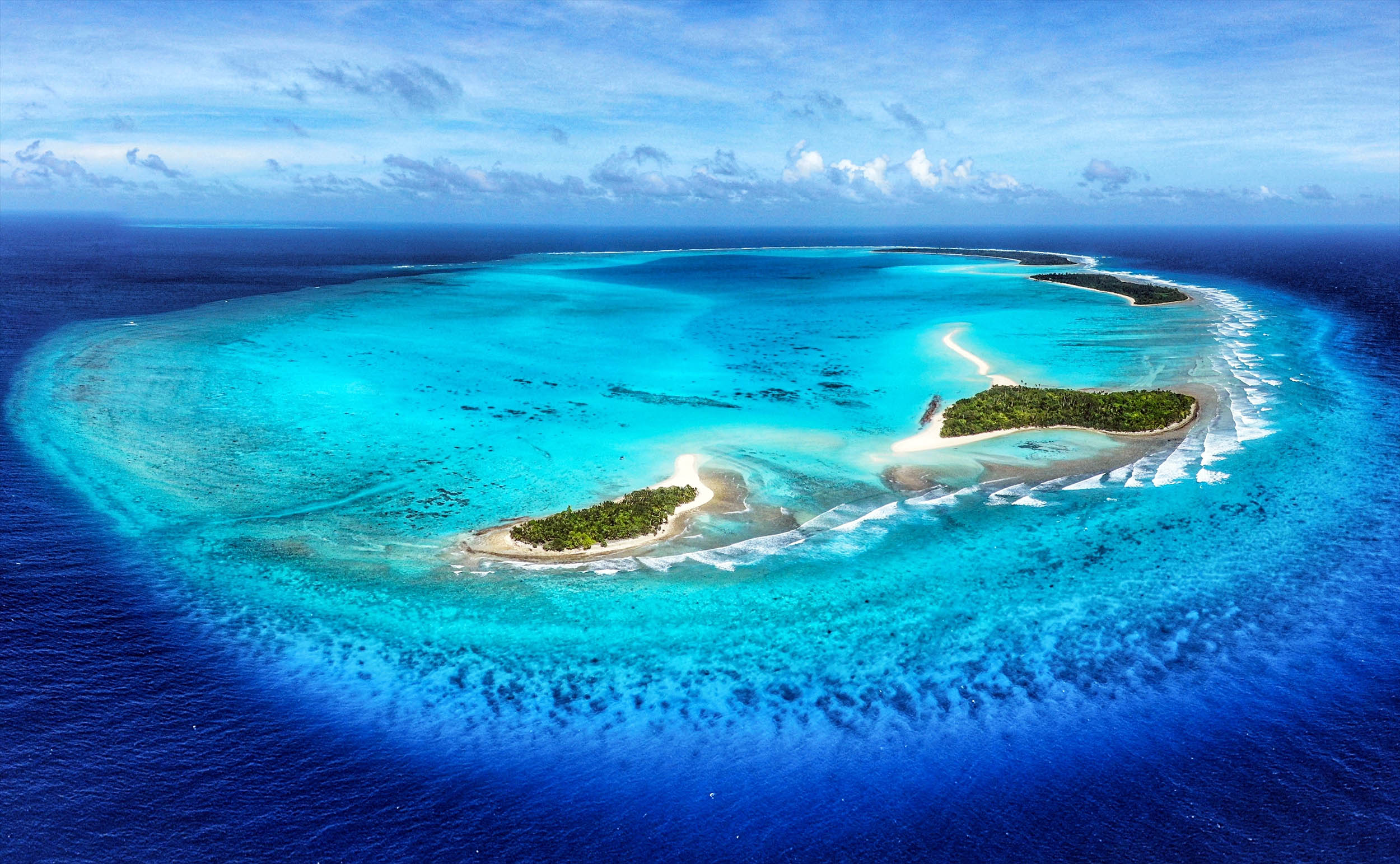
On Ulong Island in Palau, scientists have documented signs that seabirds are returning, nutrients are once again moving from land into the surrounding ocean, and nearby coral reefs are already showing positive changes.
What makes the findings remarkable is the timing. These changes appeared just one year after invasive rats were removed from the island.
For years, conservation experts believed that benefits from island restoration might take many years to reach nearby marine ecosystems. The new results suggest the process can begin much sooner.
Rats disrupted island ecosystems
Invasive rats have caused serious ecological damage on islands around the world. They eat bird eggs, chicks, seeds, and native wildlife, disrupting ecosystems that evolved without mammalian predators.
When seabird populations decline, islands lose one of their most important natural nutrient delivery systems.
Seabirds spend much of their lives feeding at sea, then return to land where their droppings, known as guano, add valuable nutrients to island soils. Rain and natural runoff can then carry some of those nutrients into nearby coastal waters.
That connection was the focus of a major restoration effort on Ulong Island.
The research was carried out through the Island-Ocean Connection Challenge, a collaborative initiative founded by Island Conservation, Scripps Institution of Oceanography at UC San Diego, and Re:wild.
The project aims to restore and rewild 40 globally significant island-ocean ecosystems by 2030.
Seabirds begin their return
The first signs of recovery appeared in the island’s bird populations.
Researchers detected increased sightings of the rare and endangered Palau Ground Dove. Seabird activity also climbed sharply.
Calls from Bridled Terns increased by 286 percent, while Brown Noddy and White Tern calls rose by roughly 50 percent compared with Ngeruktabel, a nearby island where invasive rats remain present.
These changes suggest that seabirds are returning and beginning to resume their role as natural links between land and sea.
Monitoring teams tracked conditions before and after the rat removal. They also compared results with data from the nearby control island where no restoration action occurred.
This approach, known as a Before-After-Control-Impact model, helps scientists isolate the effects of conservation efforts from normal environmental changes.
Nutrients start moving again
The return of seabirds appears to be triggering changes beyond the island itself.
Scientists found that declines in nitrogen signatures occurred more slowly on Ulong than at comparison sites. The pattern is consistent with seabird guano beginning to influence soils and nearby waters.
Fish populations responded as well.
Researchers recorded significant increases in fish biomass around Ulong, suggesting that nutrient inputs are already helping support reef productivity.
At one monitoring site, the effects were especially dramatic. Scientists observed increases in several seabird species, an approximately 80 percent rise in leaf nitrogen, and a 183 percent increase in total fish biomass.
Such rapid ecological responses surprised researchers.
“Seeing measurable ecological change just one year after restoration is extraordinary. It demonstrates the power of local leadership and science working together to heal island ecosystems from ridge to reef,” said Coral Wolf, Conservation Impact Program Manager at Island Conservation.
Benefits for reefs and people
Coral reefs depend on a steady flow of nutrients, but too much pollution can damage them.
Natural nutrient inputs from seabirds create a different dynamic, helping support food webs that sustain fish and other marine life around reefs.
These findings offer new evidence that restoring islands can strengthen surrounding reef systems. Healthy reefs, in turn, support fisheries, tourism, and coastal communities throughout the Pacific.
“For the first time in Palau, we’re seeing measurable evidence of seabird-driven nutrient flow returning to the land and sea,” said Nathaniel Hanna Holloway, a marine ecologist at Scripps Institution of Oceanography.
“It’s powerful proof that terrestrial action spills over into benefits for surrounding reef communities, which people rely on for their livelihoods.”
The work also turned Ulong into a pest-free destination where visitors have a better chance of seeing the elusive Palau Ground Dove, a bird found only in the region.
A growing restoration dataset
The project involved more than 100 local team members, students, and community participants.
Their work produced one of the largest ecological datasets ever assembled in Palau, including more than 30,000 hours of acoustic recordings and over 11 terabytes of seafloor imagery.
Researchers will continue monitoring Ulong and other Island-Ocean Connection Challenge sites across the Pacific.
Their goal is to learn how widely these benefits can be replicated and how quickly restored islands can help surrounding oceans recover.
What Ulong reveals
The results from Ulong add to growing scientific evidence that island restoration can improve marine ecosystems.
As climate change places increasing pressure on coral reefs around the world, nutrient-rich seabird islands may help reefs recover faster and maintain ecological function.
For now, Ulong offers a clear message: remove a major threat, and nature may respond faster than anyone expected.
—–
Like what you read? Subscribe to our newsletter for engaging articles, exclusive content, and the latest updates.
Check us out on EarthSnap, a free app brought to you by Eric Ralls and Earth.com.
—–
