

Article Content
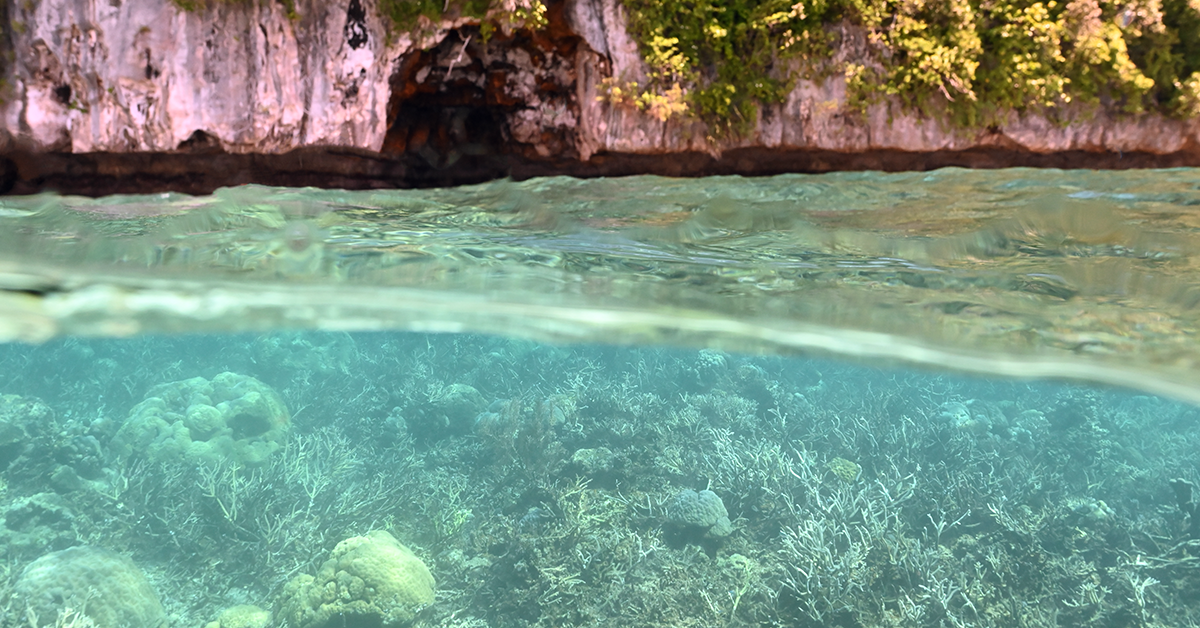
Data from Ulong Island, Koror Republic of Palau shows that seabirds are returning, nutrients are moving from land to sea, and nearby reefs are beginning to rebound just one year after invasive rats were removed, providing evidence that holistic island restoration can deliver benefits to coral reef ecosystems far sooner than previously understood.
This research, conducted as part of the Island-Ocean Connection Challenge (IOCC), is the world’s first experimental study demonstrating that seabird recovery following invasive rodent removal drives nutrient transfer from land to reef, confirming prior observational findings that restored islands benefit their surrounding ecosystems.
“Seeing measurable ecological change just one year after restoration is extraordinary,” said Coral Wolf, Conservation Impact Program Manager at Island Conservation. “It demonstrates the power of local leadership and science working together to heal island ecosystems from ridge to reef.”
Island Conservation and Scripps Institution of Oceanography at UC San Diego monitored Ulong Island before and after the operation on land and in the sea to track seabirds, nutrients, reef fishes, and benthic communities. The IOCC is a volunteer collective founded by Island Conservation, Scripps Institution of Oceanography, and Re:wild to restore and rewild 40 globally significant island-ocean ecosystems by 2030, one of which is Ulong. The IOCC aims to demonstrate the connections between healthy islands and healthy oceans.
