

The island country in the western Pacific Ocean has initiated a World Health Organization (WHO) review of nicotine in terms of the United Nations (UN) Convention on Psychotropic Substances
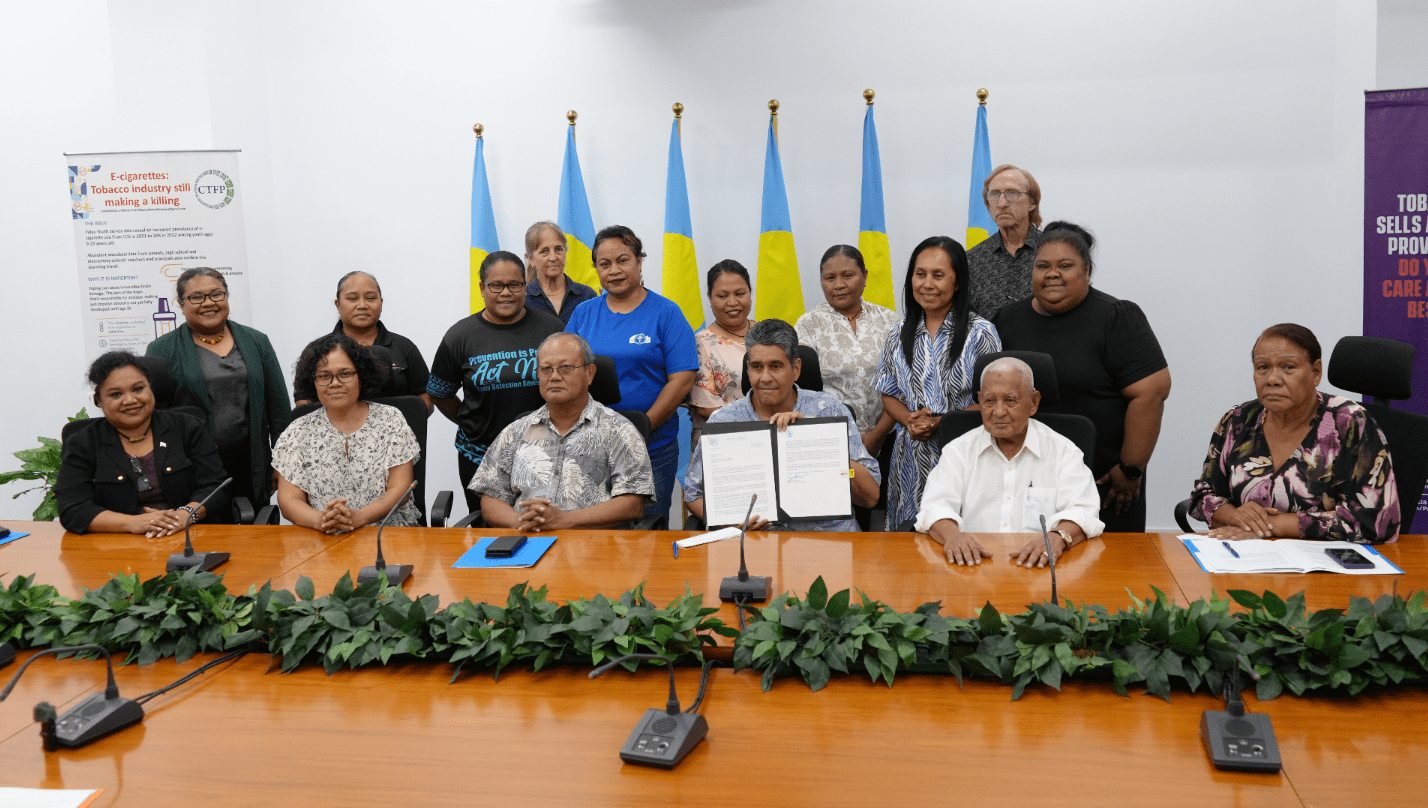
In 2023, I stood in a room among other Palauan mothers, school principals, teachers, and students who had come to witness the signing of Palau’s comprehensive prohibition on e-cigarettes, including their importation, distribution, sale, possession, and use. I told them I believed that if we let this industry continue unchecked, we would raise an entire generation damaged by vapes.
The prohibition was the right decision, but I knew even then how this works. The industry doesn’t stop. It continues to invent new products. We have already seen nicotine pouches appearing in Palau. Now we must develop new policies to regulate them, while, in the meantime, another generation becomes addicted.
Many of us in tobacco prevention and control have spent years focused on products – regulating what the industry sells. Yet the industry keeps creating new formats and flavors, all delivering the same addictive molecule, often targeted at young people. By the time regulation is in place, something new is already on the market. We are always one step behind.
What we see in Palau is not unique. It reflects a broader global pattern. According to our Ministry of Health and Human Services, more than half of Palau’s cancer cases are tobacco-related.
Almost 46% of Palauan students aged 13 to 15 reported using e-cigarettes in a 2022 survey, before the prohibition of e-cigarettes in 2023. More than six in 10 of those who smoked said they wanted to stop but couldn’t. That is not a choice. That is an addiction. The addictive substance itself – nicotine – has been overlooked by the world’s regulatory systems for decades.
Review of nicotine
We realized we needed to rethink our approach. Instead of asking “Which product do we target next?” we should be asking: “Why has the molecule itself never been addressed?”
Cannabis, amphetamines, and ecstasy have been reviewed under international drug control. Yet nicotine – responsible for more than seven million deaths a year – has not.
The molecule affects virtually every tissue and organ in the body. It damages the heart and lungs and disrupts brain development in adolescents and the unborn. Nicotine has an addictive potential comparable to cocaine and heroin.
It drives addiction in over a billion people, most of whom began using it before they were old enough to make a choice. Globally, nine out of ten nicotine users start before the age of 18. Yet in decades of international drug control, not once had any country formally asked for a review of nicotine.
On 10 June, Palau issued a formal notification to the UN under Article 2 of the 1971 Convention on Psychotropic Substances, requesting that the WHO Expert Committee on Drug Dependence (ECDD) conduct a critical review of nicotine. It is the first time any government has taken this step.
Such a review will examine the evidence against the same criteria applied to every other substance on the drug control list: dependence potential, abuse risk, threat to public health, and therapeutic usefulness. We believe the evidence is clear—nicotine is a drug. It is time the world’s institutions treated it as one.
This step does not immediately change a single law in any country. It asks, formally and legally, for the first time, whether nicotine belongs under the same international framework that governs every other comparably dangerous and addictive substance.
While the mechanism has always existed, no government has used it until now. Palau invites others to follow.
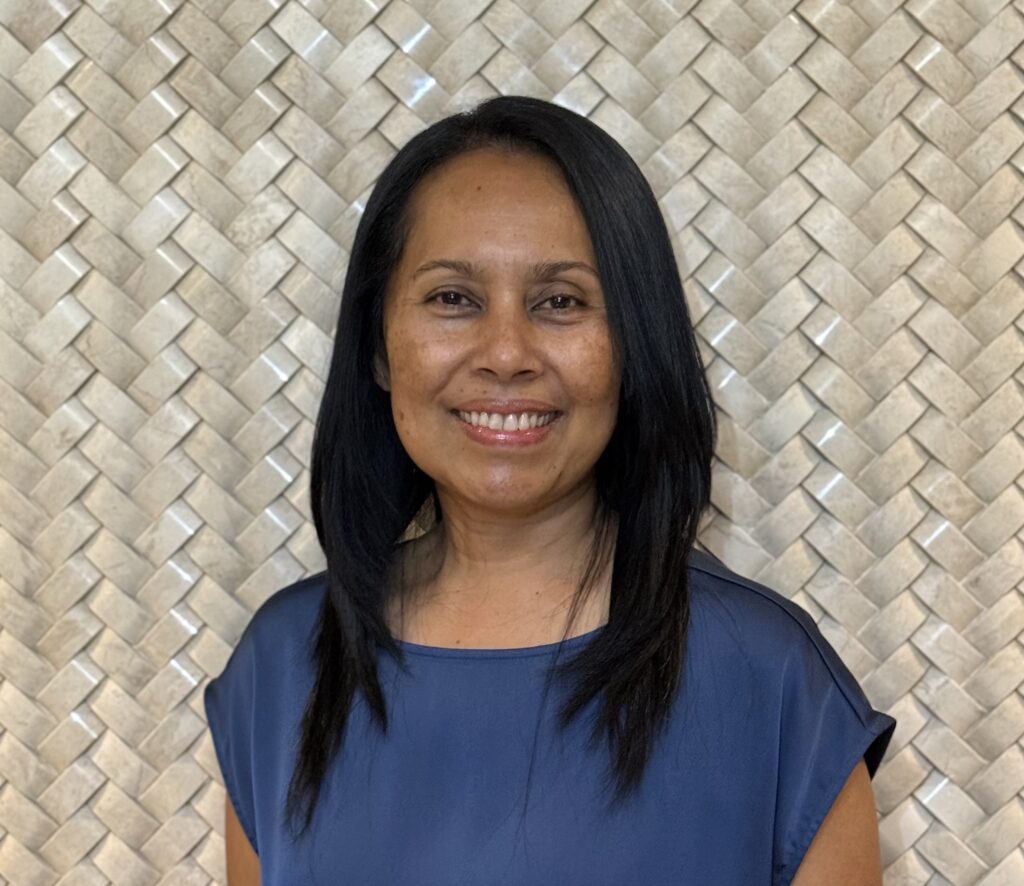
Valerie Ngereblungt Remengesau Whipps, the First Lady of Palau, is a public health advocate and policy leader focused on tobacco control and preventing non-communicable disease (NCD). She chairs the Coalition for a Tobacco-Free Palau and serves on the country’s National Coordinating Mechanism for NCDs.
Image Credits: Government of Palau.
Combat the infodemic in health information and support health policy reporting from the global South. Our growing network of journalists in Africa, Asia, Geneva and New York connect the dots between regional realities and the big global debates, with evidence-based, open access news and analysis. To make a personal or organisational contribution click here.
