


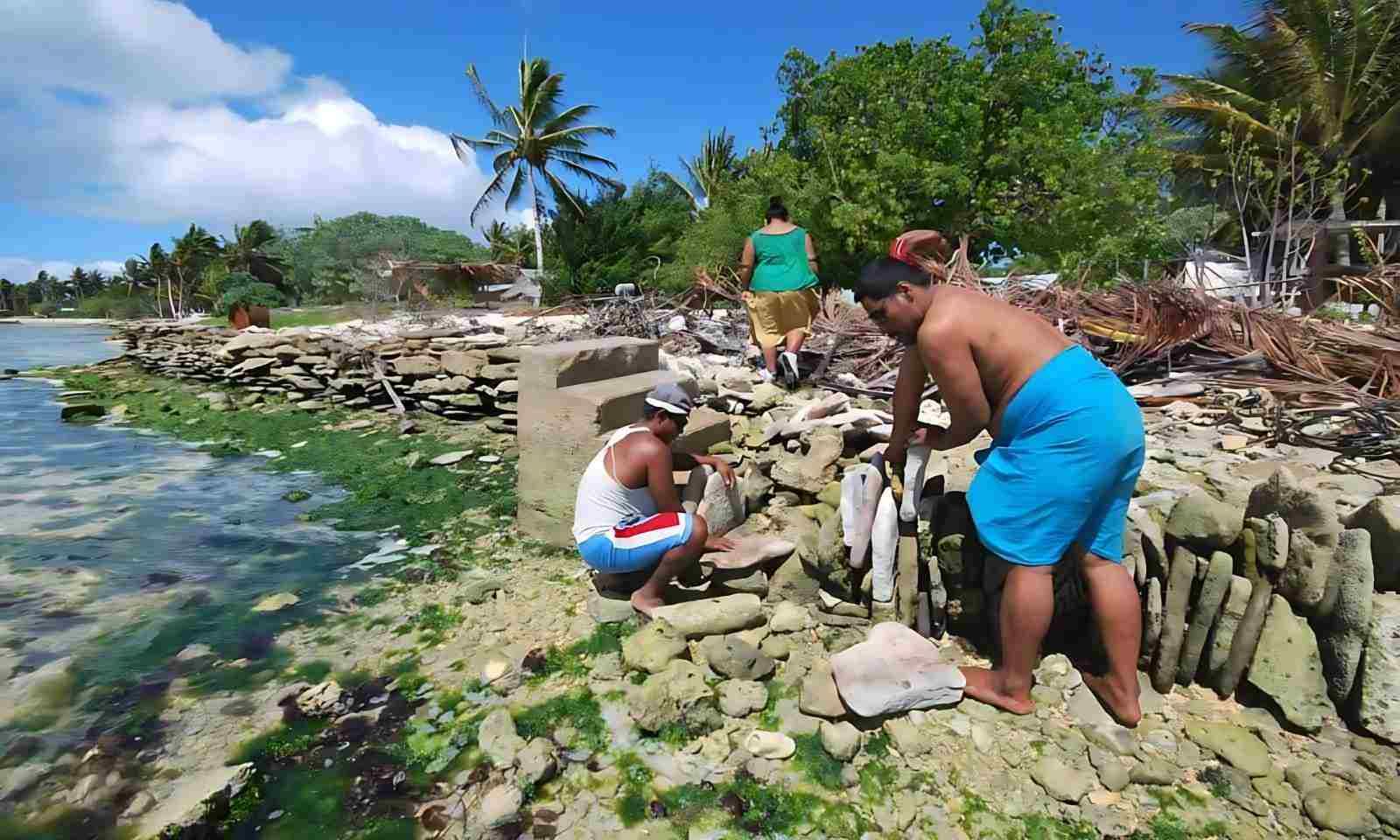
A new United Nations report says the world is likely to cross the 1.5°C global warming threshold within the next few years.
But in Palau, communities are already preparing for what comes next.
The UN Environment Programme’s latest report says even the most optimistic scenario would see global temperatures peak at 1.8°C above pre-industrial levels.
Other scenarios point to warming of more than 2°C.
The UN warns every fraction of a degree above 1.5°C increases the risks of extreme weather, damage to ecosystems and threats to low-lying island communities.
Inger Andersen, UNEP Executive Director, says the world cannot treat crossing 1.5°C as a reason to give up. “There are no good outcomes if we remain above 1.5°C,” she said.
Pacific leaders gather in Palau for the 55th Pacific Islands Forum Leaders’ Meeting as climate change remains a major concern for the region. Photo/Pacific Islands Forum
The report calls for an “overshoot, peak and decline” pathway, where countries make deep and sustained cuts to emissions to keep warming as low as possible, before bringing temperatures back down towards 1.5°C.
For people living across Palau’s scattered islands, the focus is already on how to protect communities when disasters hit.
In Bailechesau, Melekeok in Palau, Ibuuch Kumaici, a Red Cross volunteer and health officer is helping train local Disaster Action Teams in first aid and cardiopulmonary resuscitation or CPR.
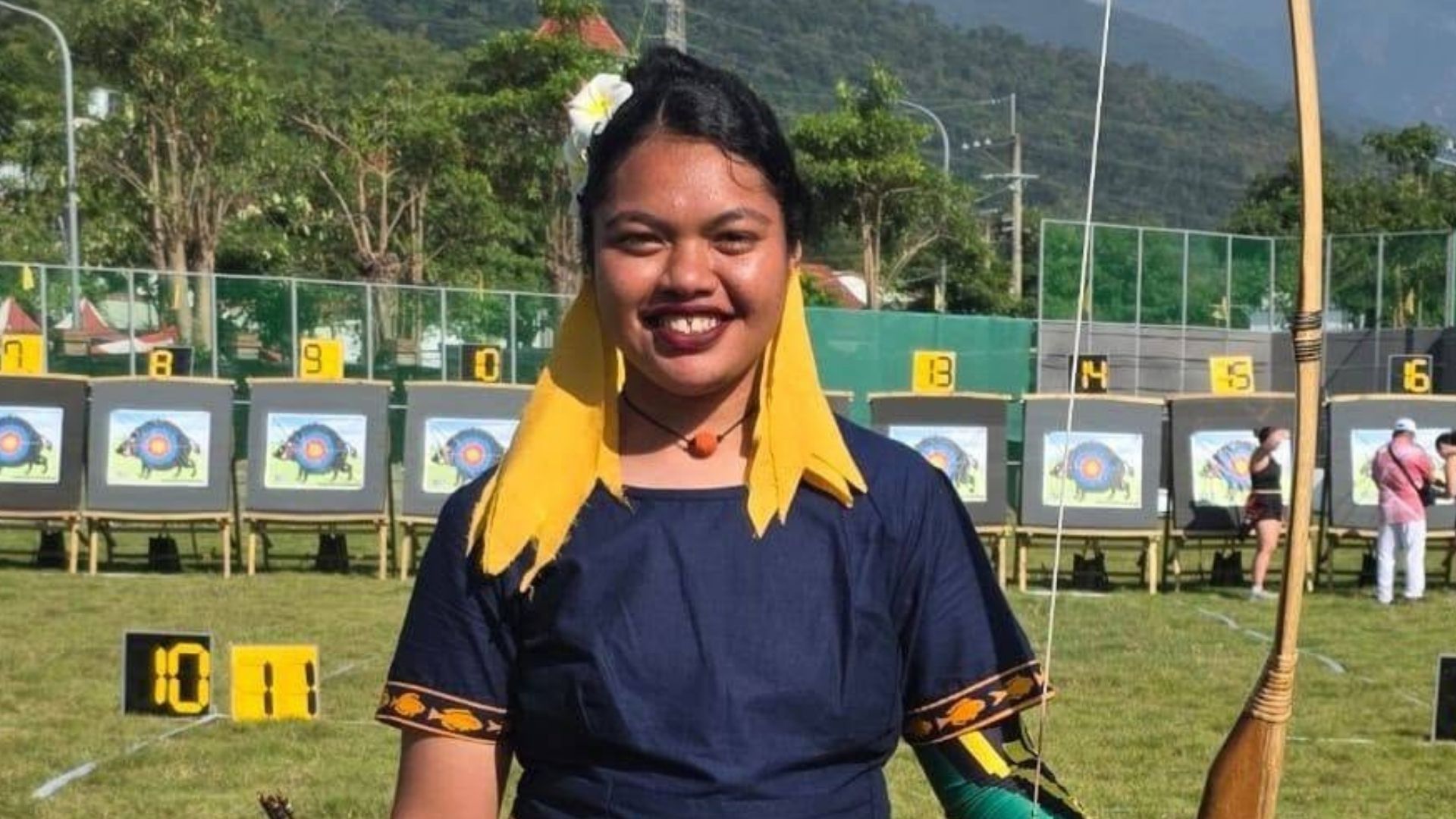
Palau Red Cross volunteer and health officer Ibuuch Kumaici helps train local Disaster Action Teams in first aid and CPR in Melekeok. Photo/Facebook/Ibuuch Kumaici
The work is supported through the Green Climate Fund-backed CIS-Pac5 programme, which is focused on improving climate information and disaster preparedness across five Pacific island countries.
Kumaici says having trained people within communities can make a major difference when an emergency happens.
“We do need these RDATs because they live here in the community,” she said. “They know the households with the most vulnerable so they can evacuate them first and the general community.”
Kumaici, who began volunteering while she was still at high school, says disaster preparedness is also about people knowing and supporting each other before a crisis.
“Connecting people to people, the people in the community connecting with people in the community,” she said.
That local work is becoming even more important as Pacific leaders warn that climate change remains one of the region’s biggest security threats.
Palau President Surangel Whipps Jr, whose country is hosting this year’s Pacific Islands Forum, said the new UN findings carried a heavy emotional weight for Pacific nations that fought to have the 1.5°C limit recognised in the Paris Agreement.
“It is hard to overstate the depth of emotion,” he said.
Vanuatu’s Climate Change Minister Ralph Regenvanu says the responsibility cannot fall on Pacific communities alone.
“Countries like Australia are simply not doing enough,” he said.
The UNEP report says countries with greater responsibility for climate change need to act fastest and with the greatest ambition while finance, adaptation, and stronger international cooperation will be needed to protect vulnerable communities.
That message is especially important for Pacific nations heading towards COP31 in Australia in November.
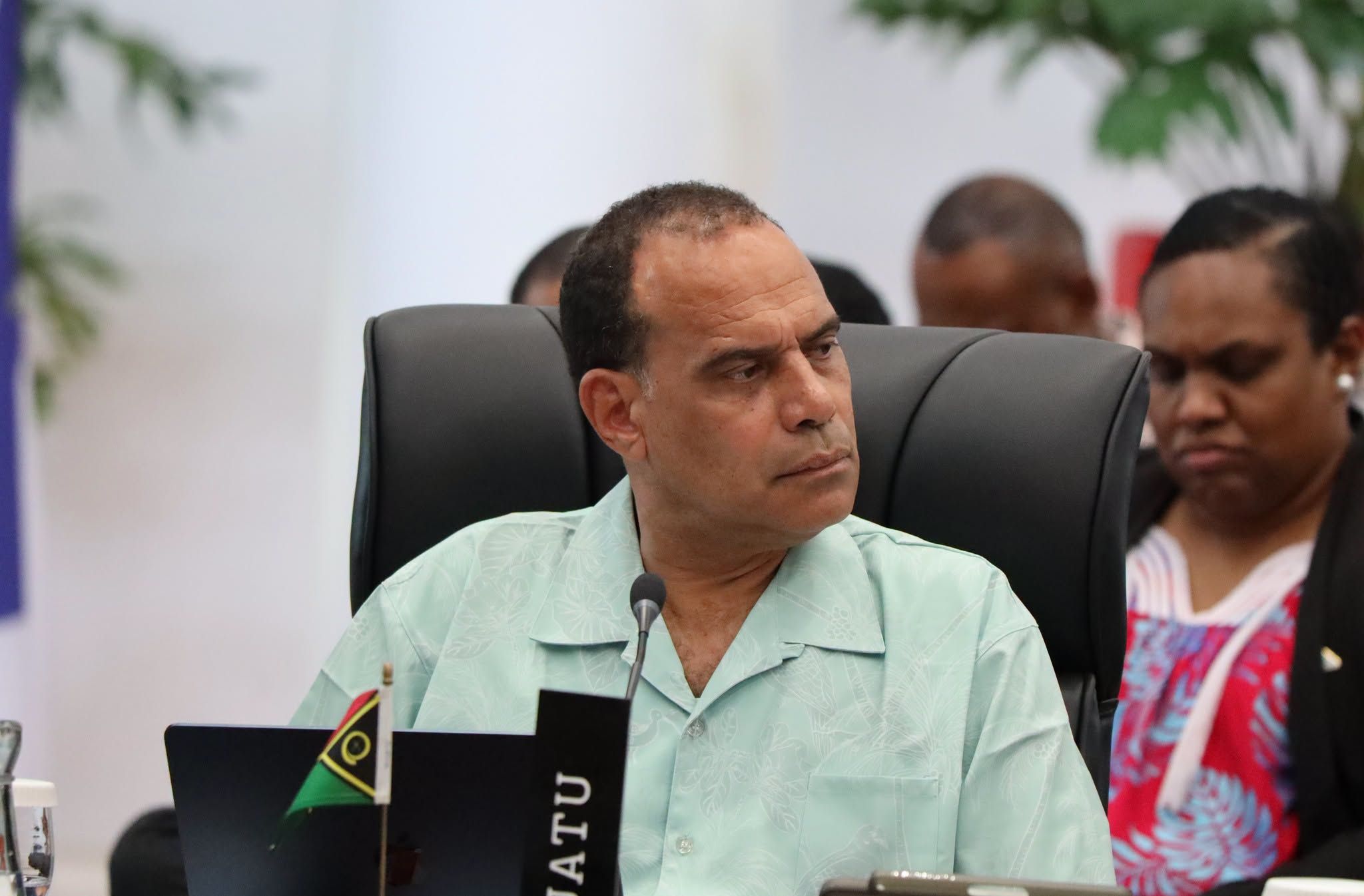
Vanuatu Climate Change Minister Ralph Regenvanu says major emitters including Australia, need to do more to address the climate crisis. Photo/Pacific Islands Forum
The choices made by the world’s biggest emitters will help determine how high temperatures rise and how long they stay there.
But in places like Melekeok, Pacific communities are not waiting for another climate warning.
They are already training the people who will be there when the next disaster strikes.
The 55th Pacific Islands Forum Leaders Meeting ends on Friday.
