


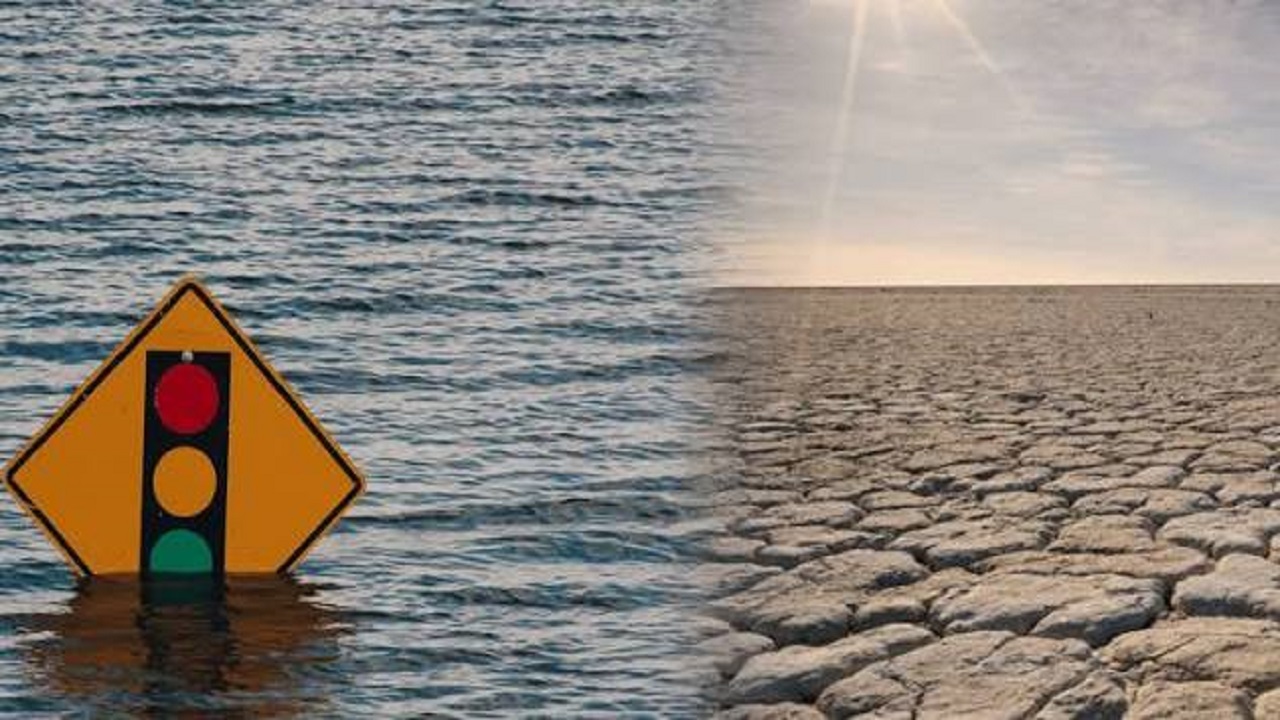
Sourced from https://alliancebioversityciat.org/
Fiji is already prepared for any potential El Niño event in the coming months.
Minister for Public Works Ro Filipe Tuisawau says the necessary preparations are already embedded within ongoing national planning, including long-term investments in water infrastructure and coordination among key government agencies.
El Niño is a climate pattern that can bring prolonged dry conditions, reduced rainfall and drought to parts of the Pacific, affecting water supplies, agriculture and hydroelectric power generation.
Tuisawau says existing water security and disaster mitigation measures will help Fiji respond to the impacts of a potential El Niño event.
His comments follow warnings issued across the Pacific about the possible development of El Niño in the coming months.
While the Minister did not outline any new El Niño-specific measures or identify a dedicated budget for the event, he pointed to the Water Authority of Fiji’s 50-year water plan, which includes upgrades to water sources, reservoirs, treatment plants and pipeline networks.
“That’s already part of the Water Authority of Fiji’s mitigation plans. As you recall, we already have a 50-year water plan, and part of that is the enhancement of our water sources and facilities, while also exploring other water sources, especially near the main urban areas.”
Tuisawau highlighted ongoing developments, including reservoir and pipeline projects, as well as the installation of a new water treatment plant expected to become operational early next year.
The Minister noted that these broader measures will help the nation respond to any potential impacts of El Niño.
He also highlighted that discussions on the possible effects of prolonged dry weather are already taking place among the National Disaster Risk Management Office, the National Security Council and relevant ministries.
The Minister acknowledged that extended dry conditions could also affect energy security, noting that around 58% of Fiji’s electricity generation comes from renewable sources, much of it dependent on hydroelectric power.
He said contingency measures, including greater reliance on generators, would be considered should water levels decline significantly.
“At the moment, there are various mitigation measures that have been budgeted for, and these will assist in addressing potential impacts as we move forward.”
Tuisawau also encouraged households to continue investing in water storage, saying the Government has for years promoted the use of water tanks to help address water disruptions.
He said agencies continue to monitor water levels and weather conditions through collaboration with the Fiji Meteorological Service and international partners, including the use of satellite technology for hydrological monitoring.
Tuisawau said a whole-of-government approach remains in place, involving the Water Authority of Fiji, Energy Fiji Limited, the Ministry of Rural Development, the National Disaster Risk Management Office and other stakeholders as authorities continue to monitor the situation.
