


Overview:
A majority of the Ngarkeai Council of Chiefs has endorsed Antonio Ngirturong as Aimeliik’s new high chief, Rengulbai, but the Palau Council of Chiefs has yet to formally seat him amid an ongoing challenge from a rival claimant. The dispute highlights growing questions surrounding traditional leadership succession and recognition in Palau.
By Eoghan Olkeriil Ngirudelsang
AIMELIIK, Palau (July 20, 2026) — A majority of the Ngarkeai Council of Chiefs endorsed Antonio Ngirturong as Aimeliik’s new high chief, Rengulbai, despite objections from a rival, while the Rubekul Belau, or Palau Council of Chiefs (COC), has yet to meet to officially seat him.
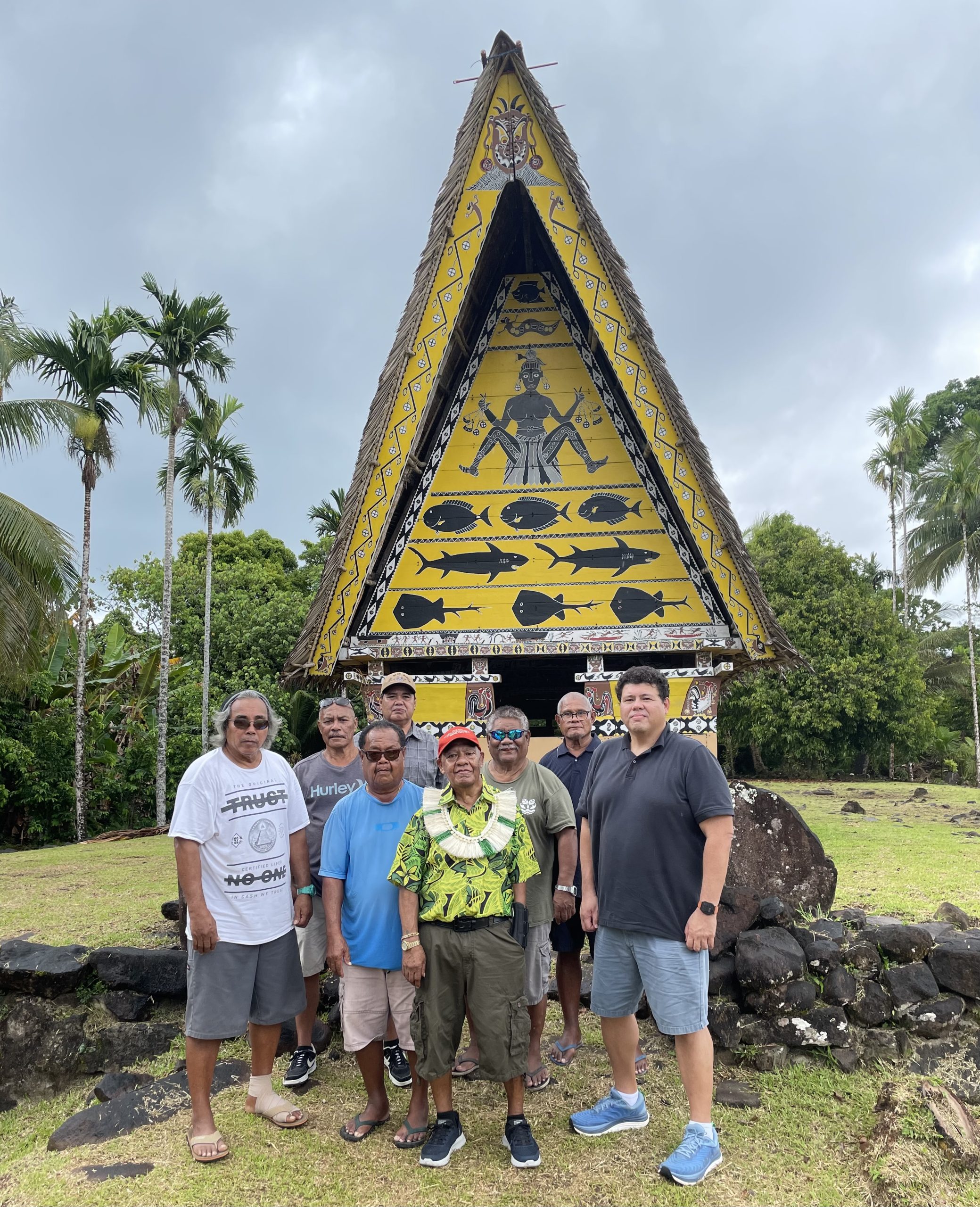
On June 16, the Ngarkeai Council of Chiefs, headed by Rengulbai Antonio Ngirturong, submitted a letter to the Rubekul Belau notifying the council that a new Rengulbai had been installed and requesting that an official seating ceremony be scheduled.
The letter was signed by six of Ngarkeai’s 11 chiefs and two chief representatives (morolel), affirming their acceptance of Ngirturong as their peer (sechelirir). Three of the four kebekuul, or principal chiefly titles, supported the installation in accordance with the traditional line of succession, Rurcherudel and Rengelechel, with Rengulbai among those in agreement.
According to the Rubekul Belau office, however, the council has not yet met to consider the request and has not scheduled a date to discuss Rengulbai’s admission as Aimeliik’s representative. Council staff later informed the Ngarkeai leadership that the matter remains pending.
The request was challenged by a separate June 30 letter from John Odaol, who identified himself as Rebes. Odaol told the Rubekul Belau that no nominee for the Rengulbai title had been submitted to the Ngarkeai Council of Chiefs and urged the council not to recognize or seat anyone under the title.
Rengulbai rejected those claims, saying his nomination had been formally presented to the Ngarkeai chiefs during the debes of the late Rengulbai Kalistus Ngirturong on May 9.
He said his traditional installation ceremony, known as Omelobech, was held June 14 in Bairekeai. According to Rengulbai, all members of the Ngarkeai Council attended except three chiefs. He said the second-ranking chief, Rebes, and the sixth-ranking chief, Erbai, did not attend, while the eighth-ranking chief, Arbachang, was absent because of a prior commitment.
“The claims written to COC by John Odaol that no name of an appointee to the Rengulbai title has been submitted to the Ngarkeai is a complete lie,” Rengulbai said, adding that the chiefs intend to meet to address what they consider false statements.
Rengulbai also disputed Odaol’s claim to the title of Rebes.
“John Odaol is not Rebes. He has not fulfilled the traditional obligations required to be seated as chief,” Rengulbai said, adding in Palauan, “Ngdiak a kingellel ma didellel el mera Bai meng diak a Rebes ra chelsir a Rengarkeai.”
Responding to criticism that he had lived outside Palau, Rengulbai said residency abroad does not invalidate a person’s traditional eligibility.
“I left Palau in 2005, and before that I lived and worked in Aimeliik for 48 years, most of my adult life,” he said. “I think of all the chiefs of Ngarkeai, I am the one who has spent more time there than anyone else.”
Another Ngarkeai chief said it has long been common practice in Palauan custom for clan members living overseas to be called home to assume chiefly titles.
He cited the late Ibedul Yutaka Gibbons, who returned to Palau after military service in the United States when his clan selected him for the title and was installed as Ibedul in 1975.
The chief also pointed to the current Reklai Bao Ngirmang, who served more than 20 years in the military overseas before returning to Palau and later being installed as High Chief Reklai.
Ngarkeai is Aimeliik’s traditional council of chiefs and consists of 11 chiefs, including Elid, the representative of the village god.
While the Ngarkeai chiefs recognize Antonio Ngirturong as the rightful Rengulbai of Aimeliik, the dispute underscores a broader challenge facing Palau’s traditional leadership. Increasingly, the selection and recognition of chiefs are being contested, particularly when a chiefly title carries influence or financial benefits.
As some traditional titles are tied to state or national government salaries or hold decision-making authority within government, disputes over who is entitled to inherit or hold those titles have become more frequent. What was once largely a matter for clans and traditional leaders is now often subject to formal challenges and competing claims.
