


Jaiswal emphasised that these attacks “must stop”.
“We further conveyed that dialogue and diplomacy is the way forward for the peaceful resolution of the conflict, and that there should be unimpeded access through the Strait of Hormuz in accordance with international law,” he said.
“Therefore, we made our position very clear on each of these points, while reiterating how important the lives of our people are, welfare and safety of our people are,” he added.
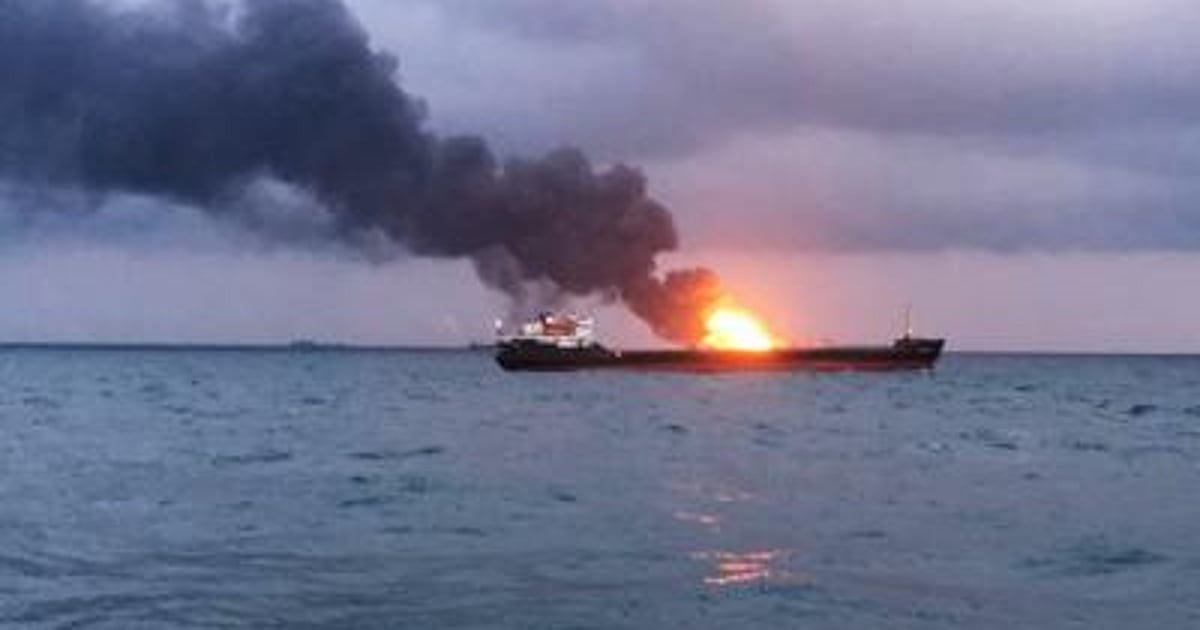
Jaiswal said two of the three vessels were subject to sanctions administered by the US Treasury’s Office of Foreign Assets Control (OFAC), while another had been classified as non-compliant.
The OFAC is the financial intelligence and enforcement agency of the US Treasury Department and it acts against vessels involved in violating US sanctions on the sale of Iranian and Russian oil.
“The three ships that have been involved in these incidents were foreign-flagged vessels. Two of them were Palau-flagged, while the third ship is Guinea-Bissau-flagged. They were not Indian-owned ships,” the MEA spokesperson said.
US Central Command (Centcom) has confirmed strikes on Settebello and Marivex but is yet to comment on reported strikes on Jalveer.
Mukesh Mangal, Additional Secretary, Ministry of Ports, Shipping & Waterways, said evacuation of the seafarers on Jalveer has commenced.
From Settebello, all the remaining 25 crew members including 21 Indians, two Pakistani, one Russian and one Ukranian have been safely evacuated, he said, adding the Seamen Welfare Fund Society has been asked to pay Rs 10 lakh to family of each deceased.
He said more than 18,000 Indian seafarers remained in the Gulf region, including 562 crew members aboard 13 Indian-flagged ships – 329 on vessels on the west of Strait of Hormuz and 233 on vessels in Gulf of Oman.
In its reaction, India also said that the continuing incidents of attacks on shipping are deeply worrisome and a direct result of the ongoing conflict in the region.
New Delhi has been pressing for immediate de-escalation of tensions, and the conclusion of ongoing negotiations for a diplomatic solution.
“The targeting of commercial shipping and civilian infrastructure in the region must end, and free and unimpeded navigation and commerce through the international waterways in the region in keeping with international law must be restored at the earliest,” the MEA said in a statement on Tuesday.
At a separate media briefing, Secretary (West) in the MEA Sibi George indicated that the evolving situation in West Asia as well as restrictions on shipping through Strait of Hormuz may figure in Prime Minister Narendra Modi’s bilateral meetings on the sidelines of G7 summit in France next week.
(With inputs from PTI)
