


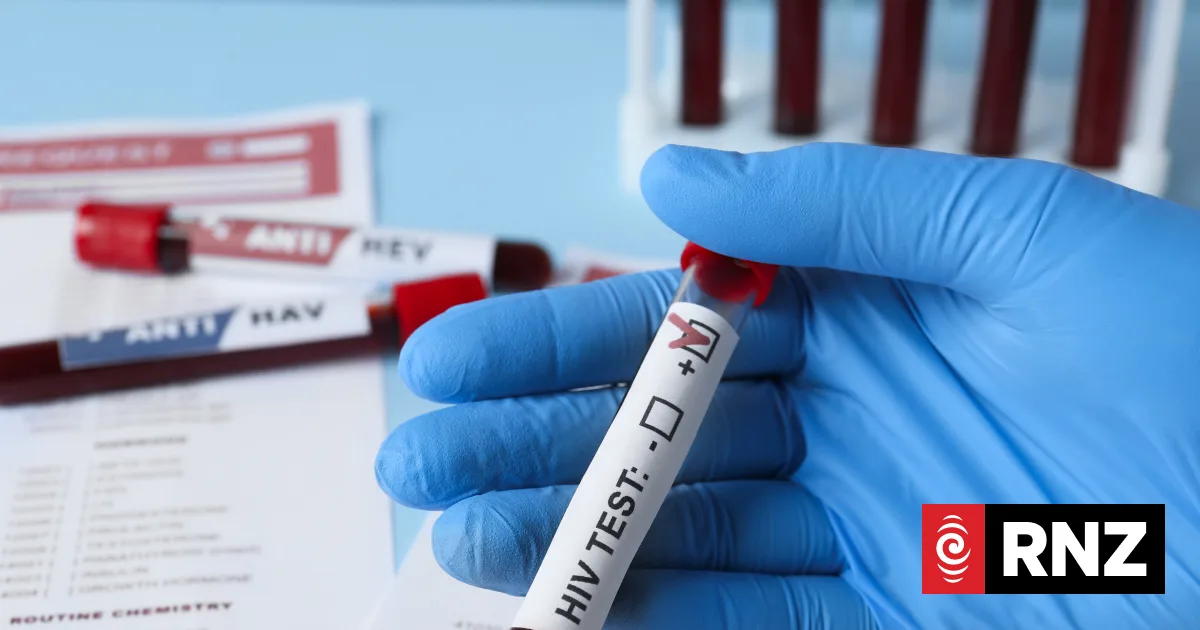
The chair of Fiji’s National HIV outbreak and cluster response taskforce says group injecting of drugs in Fiji has significant potential to impact families.
Dr Jason Mitchell highlighted risky behaviour around injecting drugs, inconsistent condom use, and sharing equipment, known as Bluetoothing.
He told RNZ Morning Report that Bluetoothing is not as common as it has been made out to be, but it’s still a concern.
“What is unique about our injecting practices here in Fiji is the fact that we inject in groups,” he said.
“And oftentimes you might have various family members in that same group, so the potential for it to impact the family is significant, especially if you take into consideration the ongoing risk factors that are associated with sexual transmission.
“Because then that’s the mode in which it can transfer from, say, an injecting male parent to a female who then, if she becomes pregnant, then it’s obviously at risk to her baby as well.”
Dr Mitchell said pre-exposure prophylaxis – a preventative medication – has been made available in Fiji, but uptake has been slow.
“Despite the the knowledge that HIV is on the rise, and there’s a lot of scare tactics going on, it hasn’t resulted in an uptake in the use of pre-exposure prophylaxis,” he said.
“So the onus is on us, as part of the task force and the government of Fiji, to really promote the availability of pre-exposure prophylaxis in the population. There’s no limits to who can take it, unlike in some countries [where] it’s only limited to certain population groups such as men who have sex with men or sex worker populations. In Fiji, we’ve made it available to everyone.”
Dr Mitchell said new interventions take time to be accepted by the community.
But he added most resources in Fiji are free of cost.
“There’s lots of reasons why people should engage in the services. It’s widely available and it’s free. And it’s also protected through confidentiality and privacy laws that we have under the HIV Act.”
