


On 11 March 2020, the WHO declared a global pandemic. COVID-19 swept around the world exacting a terrible human toll, disrupting trade, and provoking fear of a global recession. In response to the pandemic, Australia, then governed by a centre-right coalition — which had until that point been hell-bent on cutting the foreign aid budget — increased foreign aid in 2020-21 by $450 million: an 11% increase in nominal terms or 7% after inflation.
On 28 February 2026, Donald Trump’s America went to war with Iran. The impacts of the subsequent conflict and flow-on blockades have since swept around the world, exacting another terrible human toll, disrupting trade, and provoking fear of a global recession. Australia, now governed by a centre-left party — which had boasted that it was rebuilding the aid program — has just increased its aid budget by $112 million, a 2% increase in nominal terms and no increase at all after inflation.
It is a striking contrast. Last night’s foreign aid budget was business as usual. It is almost exactly the sort of budget one would have expected before the Iran War.
Yet the economic disaster of the Iran War is obvious for all to see. The World Food Programme estimates that an additional 45 million people face acute food insecurity because of the war. The Economist recently predicted a possible loss of three billion barrels of oil as a result of the war. Absorbing this would require, it calculated, a loss of 10% of global output. As the article went on to note, “The last time oil demand fell by 10% in short order was during the COVID-19 lockdowns of 2020, a shock that also brought about a fall in world GDP of more than 3%.”
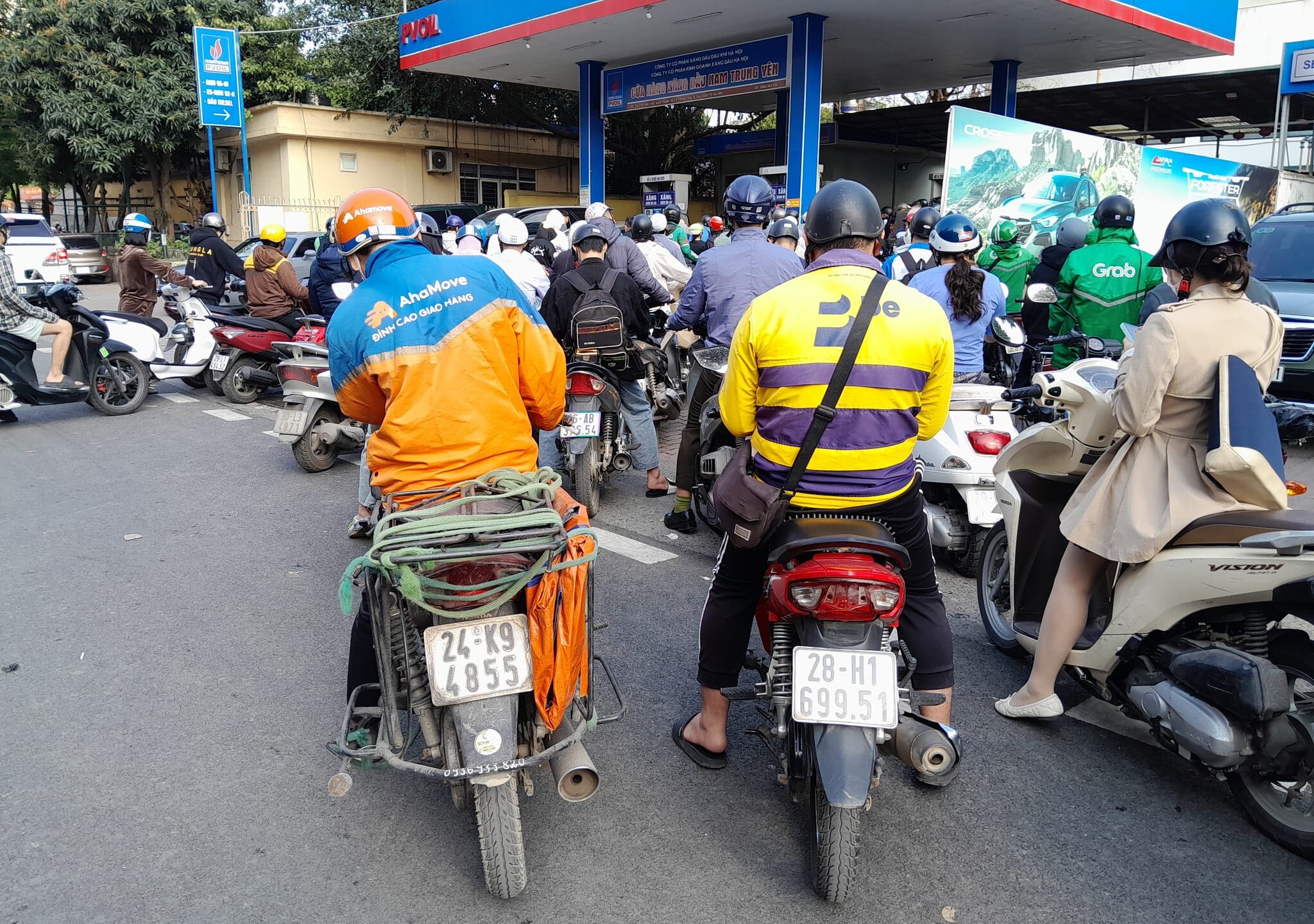
Then, as now, this global crisis is a crisis for Australia’s region, Asia and the Pacific. The Philippines has declared an energy emergency. As one outlet has reported, the nation “is creaking under the weight of Iran war oil shock, with economic growth and consumption grinding to the weakest in more than a decade as inflation soars.” In the Pacific, Tuvalu and the Republic of Marshall Islands have also declared states of emergency.
Then, as now, Australia has the money to spend. In response to the pandemic, Australia borrowed heavily to finance extra domestic spending, and this also made it possible to increase the aid budget. Now, the deficit is coming down, but revenue is up because in 2026, unlike 2020, oil and gas prices have gone through the roof. As a major gas exporter, Australia’s government is a beneficiary of this with corporate income tax up about $7 billion in 2026-27 because of the war.
So, why are we not seeing a generous response from the Australian government to help our neighbours, a response along the lines of the one we witnessed during the pandemic?
One reason is the global context. Many countries have cut aid over the last few years, with the US leading the way. Even though Australia is still one of the world’s least generous donors, that lets us off the hook.
Another reason is the changed domestic political environment. With One Nation surging in the polls and promising to cut foreign aid by 60%, any government would think twice about increasing aid. Rather, the government’s top priority is to address the “affordability crisis”. This requires expenditure restraint to reduce the deficit and therefore inflationary pressures: total government expenditure in 2026-27 is budgeted to only increase in line with inflation.
A third reason, perhaps the most powerful of all, is that we have turned inwards and are much less of a generous nation. Per person donations to international NGOs continue to fall, from an average of $54 a person in 2014 in today’s prices to only $38 in 2024, a reduction of 30%. Adjusted for inflation, average donations are back at their 2004 level, a time when per-capita income was 23% less than it is today.
A final reason is a less pessimistic one. There is still much uncertainty. There is still a possibility that negotiations will succeed and that the Strait of Hormuz will be re-opened, damaged infrastructure repaired, and normalcy quickly restored.
Perhaps the Australian government is clinging to that hope. Perhaps all governments and traders are. But a quick recovery is increasingly unlikely. Much more likely are prolonged high fuel prices, fuel shortages, high fertiliser prices and food and chemical shortages. Australia, as it did during the pandemic, should proactively play its part to build a humane global response.
It would be perfectly understandable, indeed advisable, for Australia to focus its response on its region. In last night’s budget the share of total aid to Asia and the Pacific increased from 74% to 76%. It will also be possible to reallocate some of the existing aid program to budget support, as recently announced in and for Fiji. But any serious response will require an increase in the total aid budget — as happened at the start of the pandemic.
Instead, aid is projected to fall. Adjusting for inflation, which has spiked, aid next year (2026-27) will be 4% less than aid last year (2024-25). Although the government has an official policy of increasing foreign aid every year by 2.5%, this indexation is applied in a complex way, and the actual average annual nominal increase of Australia’s aid over the forward estimates (from 2026-27 to 2029-30) is only 1.7%, significantly less than the projected rate of inflation, which is optimistically forecast at only 2.5%.
Last night’s aid budget was a missed opportunity. A foreign aid program that is not keeping up with inflation is a sorry reflection of Australia’s priorities given the humanitarian crisis the world is now, once again, facing.
For further aid budget analysis tune in to Devpol’s aid budget breakfast and check out the presentation material. Devpol’s Australian Aid Tracker has been updated with the new budget numbers.
