

Māori and Pacific people have a lower stigma towards people with mental illness than Europeans and Asians, according to a University of Otago study.
It found integrating Māori and Pacific attitudes towards mental illness into health campaigns may result in a less judgemental New Zealand.
Using data from the long running New Zealand Attitudes and Values Study (NZAVS), the study examined more than 58,000 participants’ ‘ratings of warmth’ towards those with mental illness.
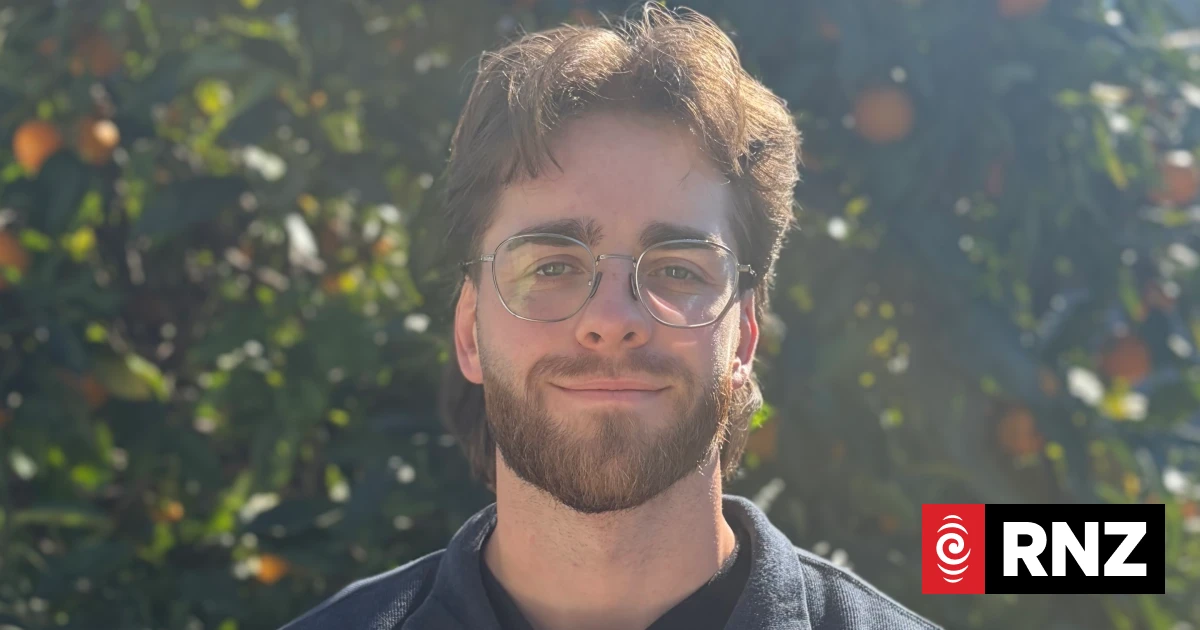
Lead author Issac Jamieson told RNZ the study analysed the relationship between ethnicity and mental health stigma in Aotearoa.
“Stigma has many different components to it, and we focused just on one stigmatising attitude, which was how participants rated their feelings of warmth towards those with mental illness. Now, the findings challenged previous narratives held by past research and the general public to some extent that certain ethnicities or indigenous populations are synonymous with greater mental health stigma.”
Jamieson said a holistic or a collective worldview that Māori and Pacific people hold might be the reason for the lower stigma findings in the study.
He also pointed to Māori health models such as Te Whare Tapa Whā, in which mental wellbeing is one of four pillars of overall health and wellbeing.
Other Māori health and wellbeing models recognise that individuals are live in wider environment systems that impact them, he said.
“One of the other things we discuss as well is how Māori have developed a language around mental health that may actually be less stigmatising than what we traditionally use today. So we talk about the example of ADHD, which stands for Attention Deficit Hyperactivity Disorder, and Māori have developed the word, aroreretini, which means the mind goes to many things.
“Culture is really central to us understanding and reducing mental health stigma. And I guess to better understand the stigma associated with mental health challenges, we must better understand how different cultures define and perceive these challenges.
“For every culture has these strengths or maybe different ways of viewing mental health challenges, which may actually help us to have less stigmatising language or methods.”
It was important that mental health campaigns and research not only acknowledged, but also integrated different cultural perspectives when it came to tackling mental health stigma, he said.
“So what we really want is some culturally responsive interventions that take into account these different world views.”
Jamieson said despite positive shifts over the past couple of decades, the stigma of mental illness continues to be prominent in society.
“The research is still saying that there’s still work to be done. And the more research we have around trying to understand what might be associated with more or less stigma or how different cultures perceive these challenges, we’re gonna be better placed to try and actually reduce it, reduce the stigma of mental health and improve the livelihood of those struggling at the moment.”
The study was published in Kotuitui: New Zealand Journal of Social Sciences Online, authored by Issac Jamieson, Taylor Winter, Ririwai Fox, Aaron Hapuku, Edmond Fehoko, Andre Mason, Chris Sibley and Damian Scarf.
Where to get help:
- Need to Talk? Free call or text 1737 any time to speak to a trained counsellor, for any reason
- Lifeline: 0800 543 354 or text HELP to 4357
- Suicide Crisis Helpline: 0508 828 865 / 0508 TAUTOKO. This is a service for people who may be thinking about suicide, or those who are concerned about family or friends
- Depression Helpline: 0800 111 757 or text 4202
- Samaritans: 0800 726 666
- Youthline: 0800 376 633 or text 234 or email talk@youthline.co.nz
- What’s Up: 0800 WHATSUP / 0800 9428 787. This is free counselling for 5 to 19-year-olds
- Asian Family Services: 0800 862 342 or text 832. Languages spoken: Mandarin, Cantonese, Korean, Vietnamese, Thai, Japanese, Hindi, and English.
- Victim Support 0800 842 846.
- Rural Support Trust Helpline: 0800 787 254
- Healthline: 0800 611 116
- Rainbow Youth: (09) 376 4155
- OUTLine: 0800 688 5463
- Aoake te Rā bereaved by suicide service: or call 0800 000 053
If it is an emergency and you feel like you or someone else is at risk, call 111.
