

From outbreaks of scrub typhus and leptospirosis to climate-sensitive threats like dengue, Palau is grappling with how environmental change and global mobility are reshaping the landscape of disease. For this small island archipelago, interconnectedness across the human-animal-environment interface is increasingly becoming a frontline for new and evolving health threats.
To meet these challenges, Palau is embracing a transformative approach: One Health — in close partnership with WHO.
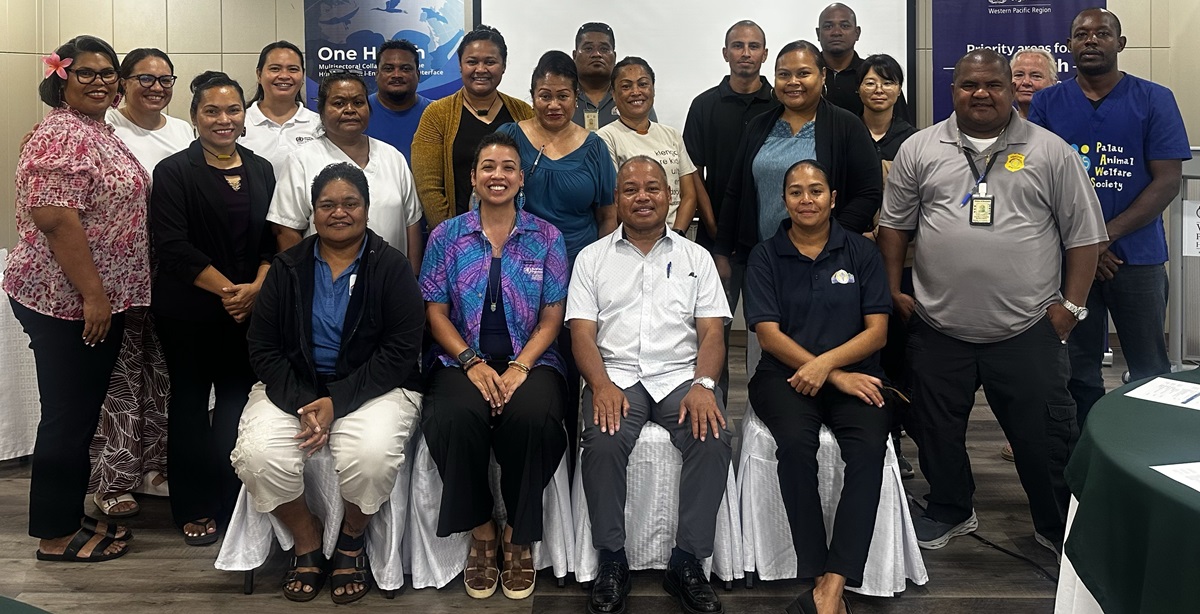
From 20 to 23 April 2026, WHO leveraged its convening power to bring together 30 representatives from across Palau’s human health sector; agriculture, fisheries and environment departments; private sector; border control; academia and international partners — to build a unified wall against global health insecurities. Palau’s Vice President and Minister of Health, Honourable Raynold B. Oilouch, gave opening remarks at the workshop recognizing the value of One Health and the role that multisectoral collaboration plays in safeguarding Palau from external health threats.
Photo: Palau’s Vice President and Minister of Health, Honourable Raynold B. Oilouch, giving opening remarks at the WHO-led One Health workshop. Credit: WHO
The workshop enabled representatives from across sectors and expertise to collectively agree on a list priority notifiable diseases — considering public health impact, epidemic potential, and feasibility of surveillance and control. WHO also supported participants to formalize communication and coordination channels across departments and sectors, to ensure a stronger, unified response to future health emergencies.
Through this WHO-led process of jointly updating national disease surveillance priorities and establishing an agreed-upon list of priority zoonotic diseases, Palau is now equipped to better align national efforts and investments with its most pressing risks.
Addressing health security gaps requires a united front
Earlier assessments, including a WHO-facilitated Joint External Evaluation to assess Palau’s capacity to prevent, detect and rapidly respond to public health risks highlighted the need to establish a formal national plan for zoonotic diseases and strengthen coordination across sectors. The One Health approach, a WHO regional priority in the Western Pacific, is a critical framework that Palau leveraged to enhance multisectoral coordination and jointly update its national plan for zoonotic diseases.
One Health is built on the understanding that we cannot protect human health without also protecting the health of the animals we live with and the environment that sustains us all. As a recipient of Pandemic Fund (Round 3) support, Palau is well positioned to strengthen and operationalize a One Health approach, bringing together human, animal, and environmental sectors.
The workshop in Palau served as a catalyst for operationalizing One Health. By bringing together experts from across the human-animal-environment interface, WHO created a mechanism and avenue for multisectoral coordination.
The impact of this collaboration was immediate and personal for those on the ground.
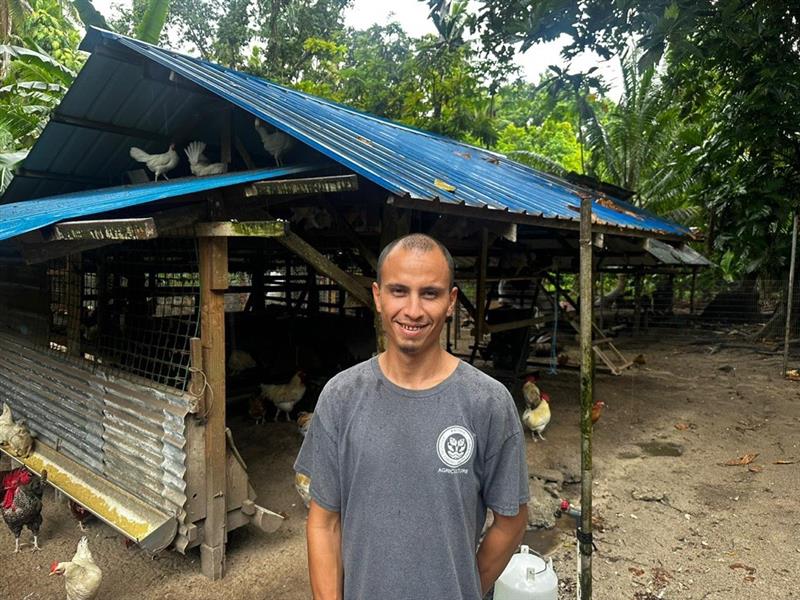 Caption: Chief Goran Vanoosterweyck, Chief Livestock Officer within the Bureau of Agriculture during the field visit to a poultry farm. Credit: Jessica/WHO
Chief Goran Vanoosterweyck, Livestock Officer within the Bureau of Agriculture, saw the workshop as a turning point for his department’s role in national safety. “It is critical for us to identify what diseases affect both animal and human health,” Stewart reflected. “This workshop enabled us to identify areas where we intersect and how we can help each other across sectors—come together to solve common diseases or challenges.”
Echoing Stewart, Chief Tmong Udui an epidemiologist with Palau’s Ministry of Health and Human Services noted: “Although many of us who participated in the workshop have worked together in response to previous disease outbreaks—including leptospirosis—we didn’t have formalized channels for communication and coordination across sectors. This effort has been many years in the making and is much needed to adequately address how we response to future health threats and competing priorities.”
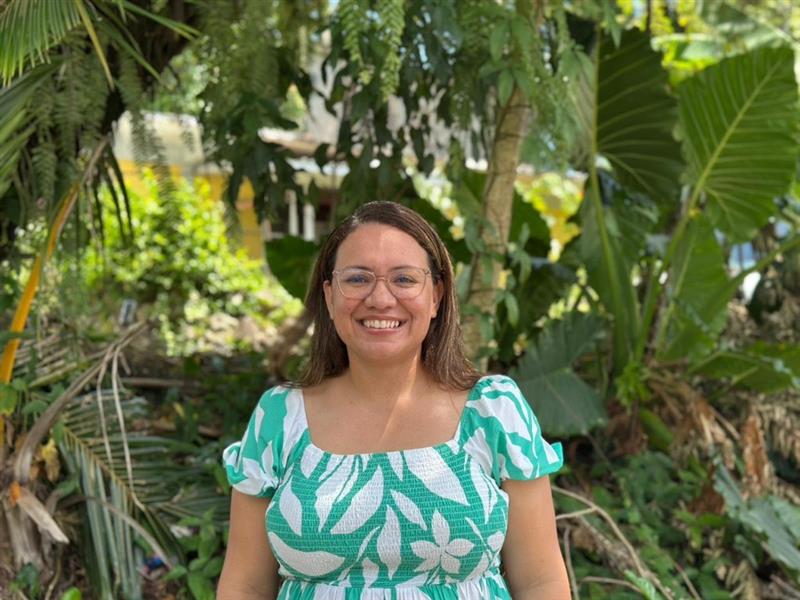 Caption: Chief Tmong Udui an epidemiologist with Palau’s Ministry of Health and Human Services participated in a WHO-led workshop to prioritize notifiable diseases and streamline One Health coordination mechanisms. Credit: Jessica/WHO
In a similar vein, Dr Angela Marcil, a Public Health Doctor in the Communicable Disease Unit of the Ministry of Health and Human Services in Palau shared: “We talk a lot about the importance of integrated services, but today was the first time we had an opportunity to connect with our counterparts across departments, revisit our response algorithm for zoonotic diseases, and prioritize diseases that are important to Palau.”
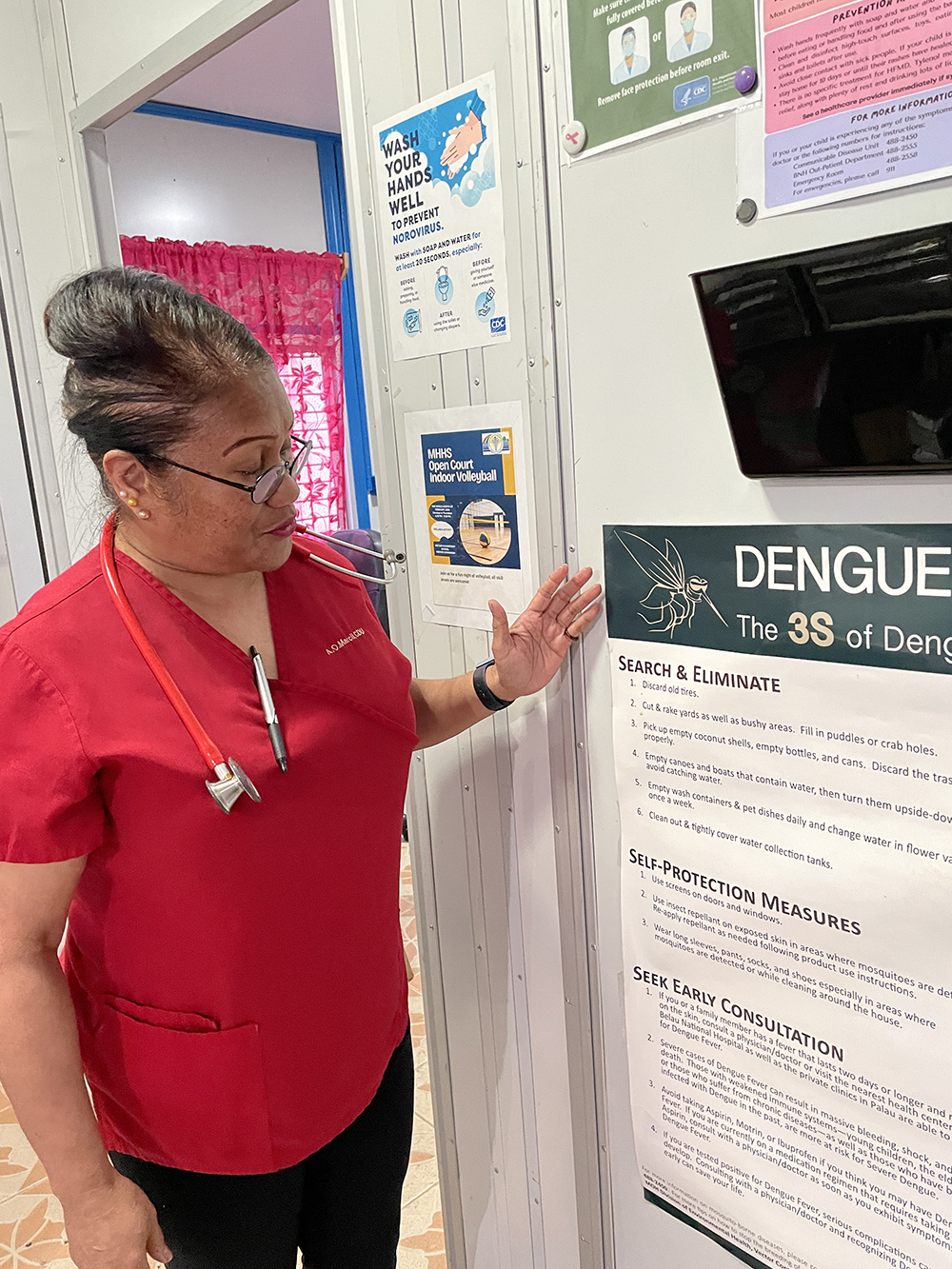 Caption: Dr Angela Marcil a Public Health Doctor in the Communicable Disease Unit of the Ministry of Health and Human Services in Palau. Credit: WHO/ J Kayamori
By identifying these points of intersection, Palau is moving away from reactive ad hoc emergency responses, toward a model of epidemic preparedness and coordination during peacetime. When the livestock officer and the public health official speak the same language and share data — the window of time to stop an outbreak before it spreads narrows significantly.
From port to plate: a shared responsibility
The scope of this coordination extends far beyond the forest or the farm; it reaches the very borders of the nation. In an economy reliant on imports and tourism, biosecurity is the first line of defense.
Everson Sadang, a Biosecurity Officer with the Ministry of Finance, highlighted how this multisectoral lens is refining their day-to-day operations. For Savan and his team, the workshop was an opportunity to scrutinize the journey of food from international markets to the community dinner table.
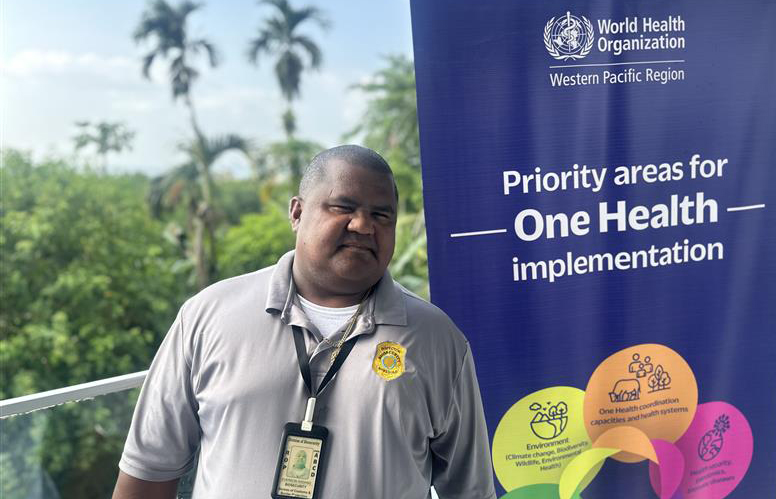
Caption: Everson Sadang, a Biosecurity Officer with the Ministry of Finance, Palau. Credit: WHO/J Kayamori
“We had an opportunity to review our regulations and procedures that we follow for meat imports, including ensuring products meet international standards for food safety before we release the product for consumption,” Savan explained. “We were able to chalk out our coordination mechanisms to ensure that if food is carrying any diseases, we are able to coordinate across departments to protect health,” Savan added. His takeaway was clear and resonant: “Multisectoral collaboration is key.”
Palau’s commitment to the One Health approach is a testament to the power of collective action. With the support of WHO, the nation has proven that even the smallest island countries and areas can stand tall against global health threats by simply standing together.
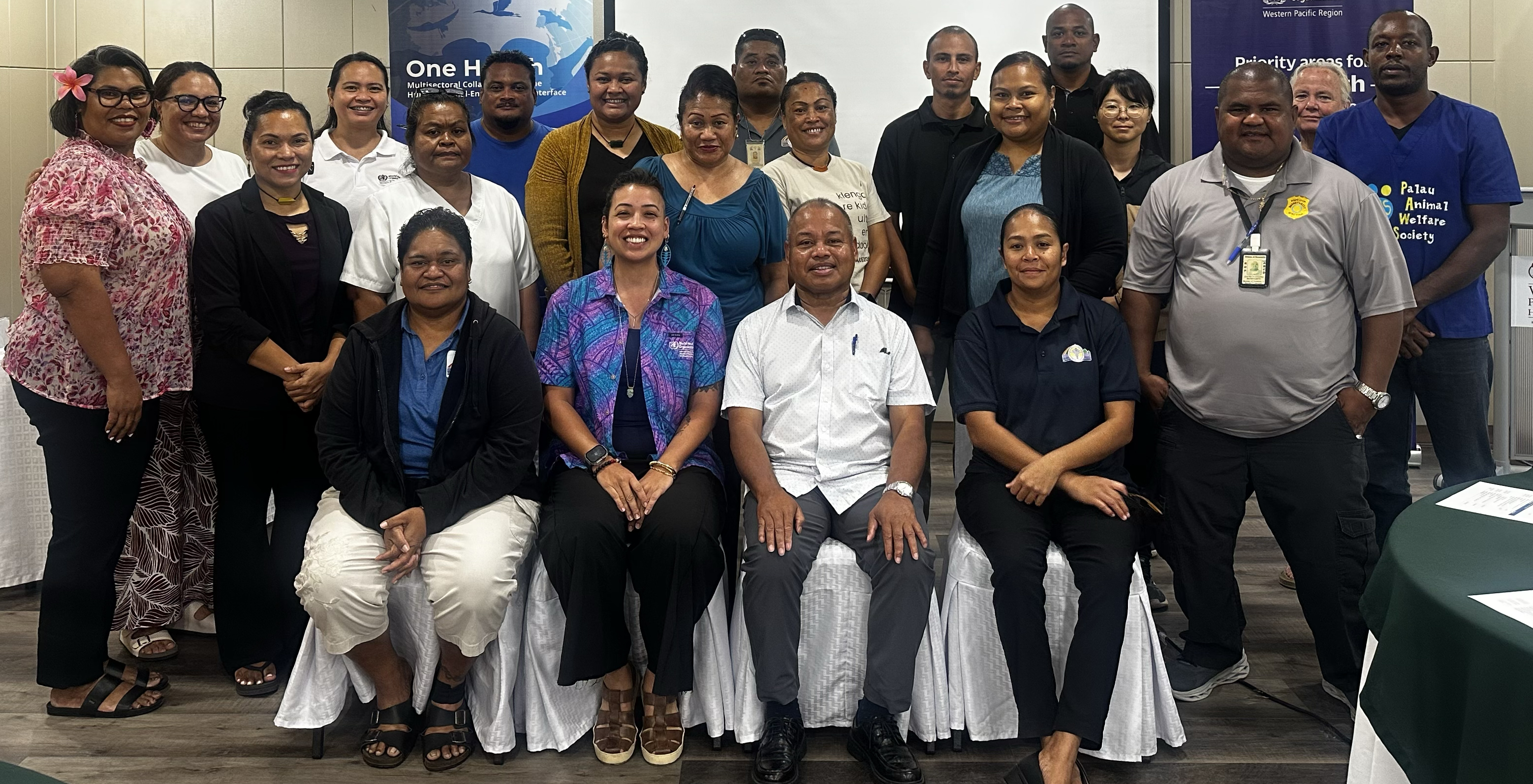 Caption: Participants of a WHO-led workshop on One Health and Zoonotic Disease Prioritization. Credit: WHO
As climate change continues to shift the tides and new diseases emerge on the horizon, Palau is no longer waiting for the storm—it is building a stronger, more united house to weather it.
