


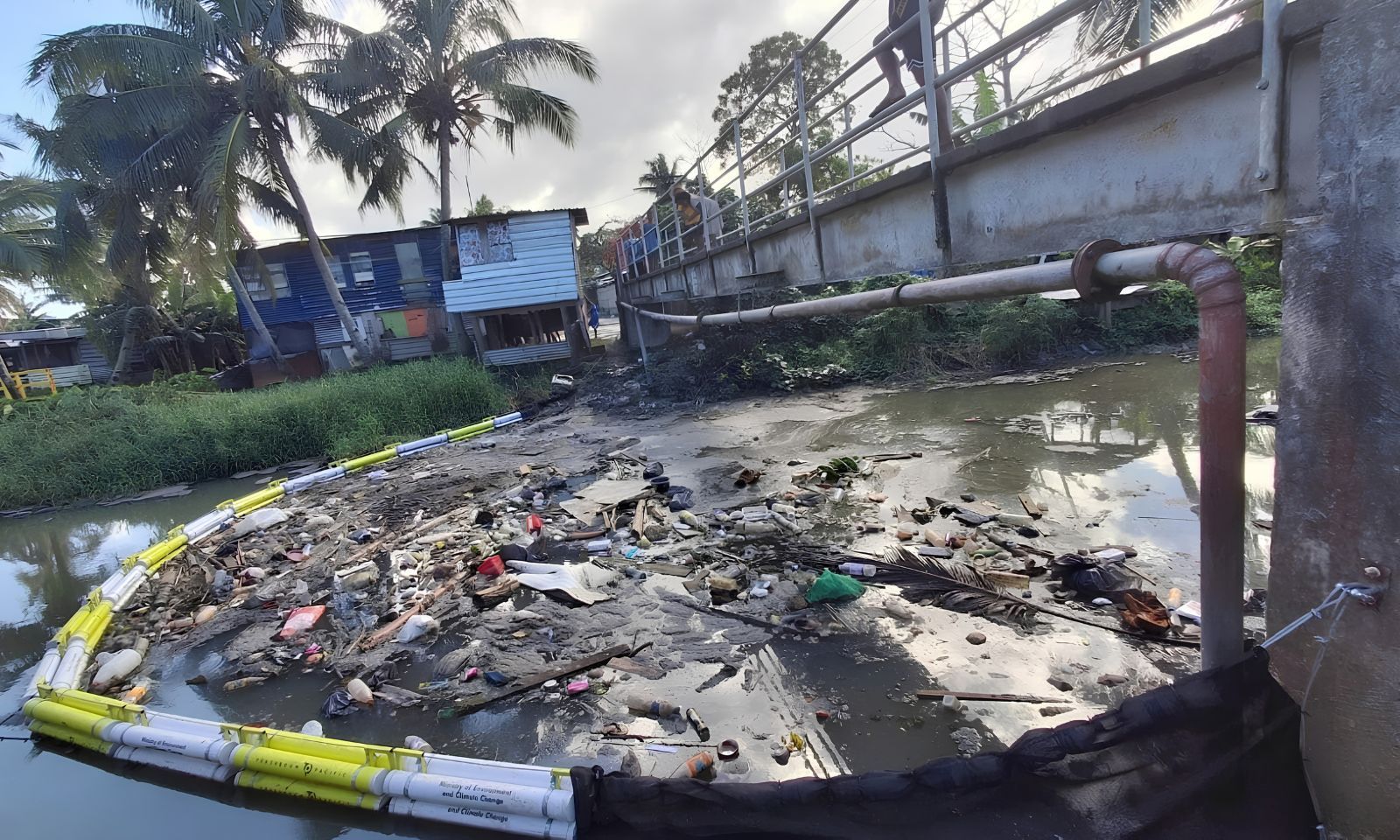
Fiji’s new $200 litter fine is now in force, but a bigger question is being raised alongside it: who holds councils accountable when rubbish collection and disposal fail?
The five-fold increase from $40 took effect on 1 September under the Litter (Amendment) Act 2026 as the government steps up enforcement against people who deliberately dump rubbish.
Minister for Information, Environment and Climate Change, Lynda Tabuya, says the tougher penalty is aimed at changing behavior, not raising money.
“If you litter, you pay,” Tabuya said in a statement. “Not because the Government wants your $200. We would rather collect zero dollars in litter fines, because zero dollars in fines would mean people are doing the right thing.”
Fiji is also expanding its network of Litter Prevention Officers (LPOs) with council workers, the Fiji Police Force, and the Land Transport Authority (LTA) working together to identify offences, gather evidence, and issue on-the-spot notices.
“We will measure enforcement,” Tabuya said. “We will track how many notices are issued, where offences are occurring and whether behaviour is changing, because we do not want to simply assume the law is working. We want to prove that it is working.”
The training of Litter Enforcement Officers focused on the Litter (Amendment) Act 2026, ensuring they are clear on the changes to the law and their responsibilities in enforcing it. Photo/MIECC
But as the rules take effect, opposition MPs are asking whether the same level of accountability will apply to the authorities responsible for managing Fiji’s rubbish.
Opposition MP Ketan Lal has pointed images of overloaded, open-top council rubbish trucks nearly spilling waste onto public roads, saying councils must also do their part.
“If the Government is going to tell citizens, ‘If you litter, you pay,’ then councils must also be told: ‘If you collect rubbish, collect it properly,’” Lal said on social media. “A cleaner Fiji cannot be achieved through fines alone. It requires reliable rubbish collection, safe waste transportation, proper disposal, and accountability from the authorities.”
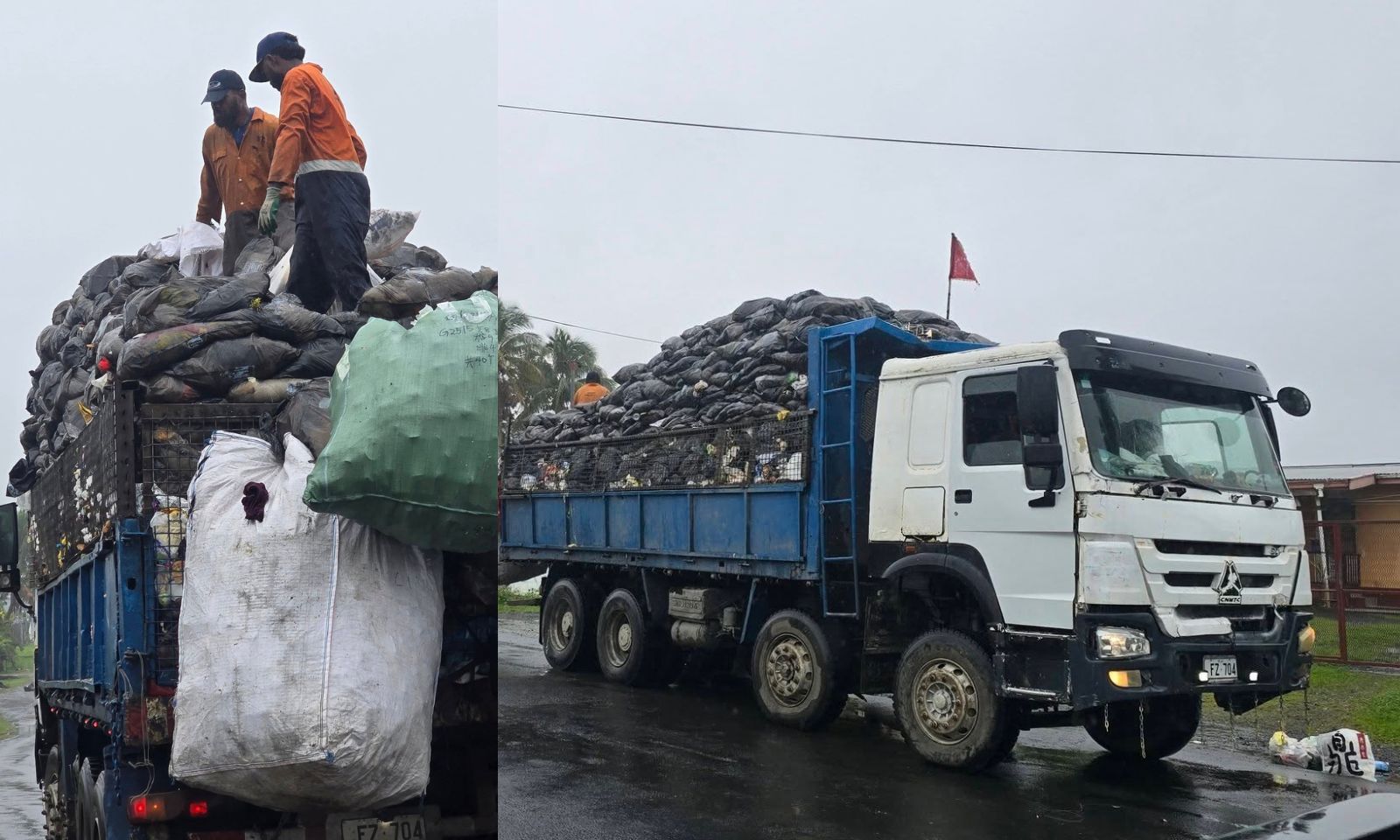
Opposition PM Ketan Lal says rubbish collection trucks should not be overloaded to the point where garbage could fall onto the road, create hazards for motorists, pedestrians and nearby communities, or simply end up back on our streets. Photo/Ketan Lal
The Nausori Town Council has backed the new approach, reminding residents that dumping rubbish is illegal and that $200 on-the-spot fines are being enforced.
“Let’s work together to keep our town clean, safe and beautiful,” the council said in a statement. “A cleaner Nausori means a healthier community, a better environment and a more attractive town for everyone.”
Opposition MP Virendra Lal has also questioned whether enough detail has been provided about how the new system will work and whether a flat $200 penalty is fair for everyone.
“For a struggling family, a market vendor or a young person, $200 is a significant and punishing sum,” he told Parliament.
“I ask the Minister whether a tiered structure distinguishing individuals from communal offenders was ever considered and whether any hardship or payment plan provision will exist for those who genuinely cannot play.”
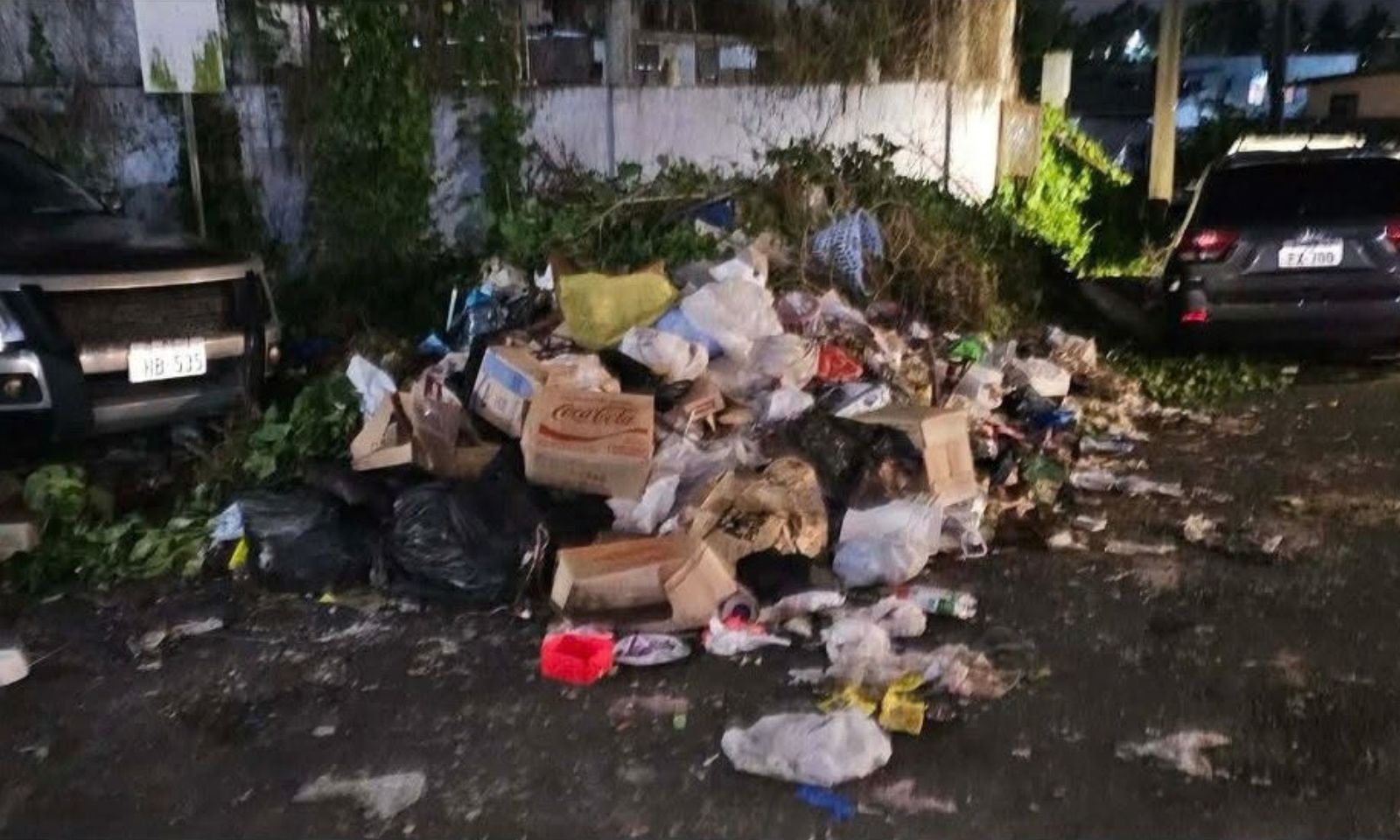
Opposition MP Virendra Lal has questioned whether a flat $200 penalty is fair for everyone. Photo/ Facebook/Ketan Lal
Lal also questioned how many litter prevention officers will be deployed, what training and equipment they will receive, and whether enforcement will reach rural and maritime communities.
Lal says stronger enforcement needs to be matched with prevention, including more public bins, more regular rubbish collection and public education.
Watch Fiji’s Minister for Environment and Climate Change Lynda Tabuya brief Parliament on the increase in litter fine below.
