


A humble picnic cooler is helping scientists in Palau address one of the biggest threats facing the ocean.
By turning a cheap consumer cooler into a portable incubator, researchers can transport heat-tolerant coral and buffer it from stressful conditions without relying entirely on expensive lab-style equipment.
That kind of practical workaround could make reef restoration more feasible in the places that need it most, according to Vox.
Here’s what to know
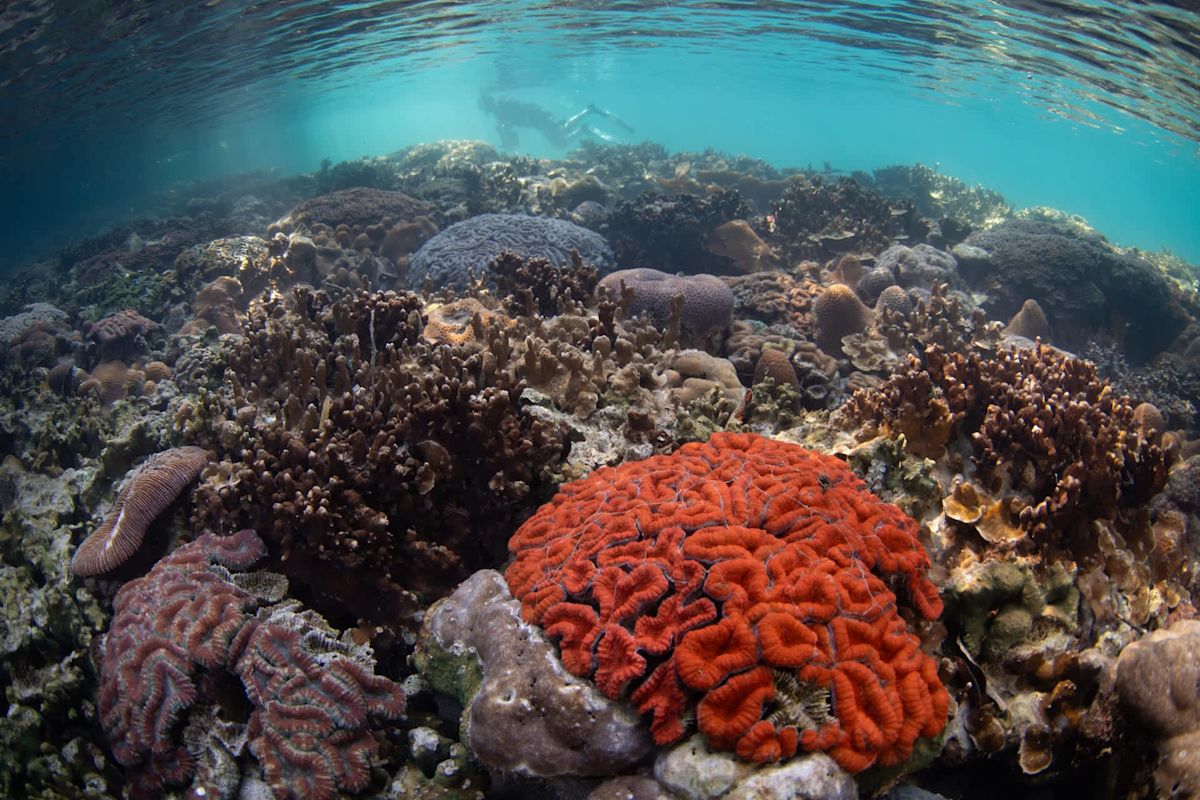
Near Palau, the western Pacific island nation featured by Vox, scientists have been planting coral in offshore “gardens” to help restore damaged reefs.
One tool in that effort is surprisingly familiar: a portable cooler of the kind many people bring to the beach or on a picnic.
Used as makeshift field incubators, the coolers help teams transport coral and shield the hardiest specimens from punishing conditions.
That matters because reef restoration often depends on specialized equipment that is costly, difficult to maintain, and not always readily available in remote settings.
Researchers were heading roughly two miles offshore in July, with a super typhoon affecting the region, to reach one of the coral gardens established over several years to repair a damaged reef.
As Vox noted, the difficult trip contrasted with Palau’s usual image of calm, bright-blue waters and some of the world’s strongest marine protections.
The innovation is deliberately low-tech.
In a warming world, solutions that are affordable, durable, and easy to use in the field may give more communities a realistic shot at protecting the ecosystems on which they depend.
More background
Coral reefs are far more than scenic underwater landscapes.
They help support fisheries, protect coastlines from erosion and storm damage, and sustain tourism economies that many island communities rely on.
But reefs are under mounting pressure from rising ocean temperatures.
When water gets too warm, corals can bleach, losing the algae that help keep them alive. Severe marine heat can kill reefs outright, while stronger storms can bring yet another layer of destruction.
Scientists are not just trying to replant coral; they are also working to preserve coral that can better tolerate heat. If those hardier corals can survive and grow, they may improve the odds that restored reefs will last longer as the climate changes.
Healthier reefs can help safeguard food supplies, jobs, and shorelines.
What’s being done?
In Palau, the immediate response combines hands-on reef restoration with simple improvisation.
Alongside planting coral, researchers are using inexpensive coolers when high-end equipment is limited or unavailable.
That kind of improvisation could be especially important for island nations and underfunded conservation programs. A lower-cost method is easier to scale, easier to replace, and less reliant on specialized supply chains.
Not every climate adaptation tool is high-tech. Sometimes progress comes from making essential work more affordable and more resilient in difficult field conditions.
Palau’s reef work shows that useful climate solutions do not always arrive in the form of advanced new technology.
Sometimes, they look more like a cooler packed for a day outdoors — repurposed to help sustain a vital ecosystem.
Get TCD’s free newsletters for easy tips, smart advice, and a chance to earn $5,000 toward home upgrades. To see more stories like this one, change your Google preferences here.
