


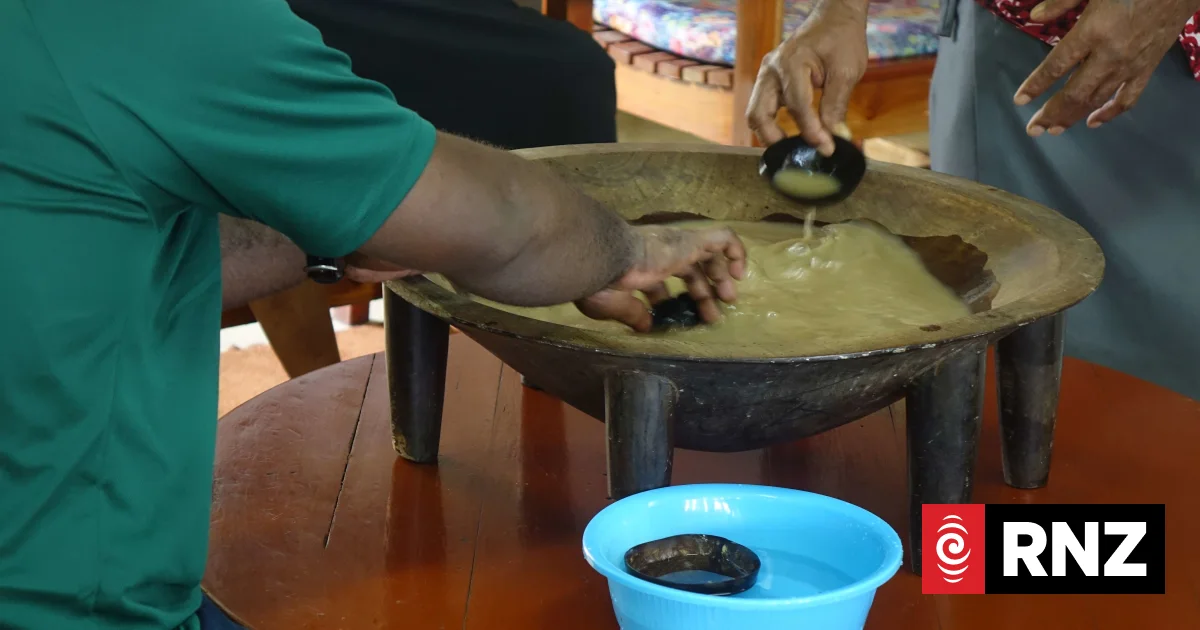
The president of the Methodist Church in Fiji wants all lay pastors and ministers to refrain from the over-consumption of kava (yaqona) and stop smoking cigarettes.
In Fiji, nearly 70 percent of the population is Christain. The Methodist Church is the largest denomination and is especially dominant among indigenous iTaukei Fijians.
The Methodist Church is the largest denomination in Fiji.
123RF / Rafael Ben-Ari
Speaking at the opening service of the 2026 annual conference in Suva, Reverend Dr Semisi Turagavou said he wants greater discipline among ordained ministers and lay pastors.
He spoke candidly about the excessive consumption of yaqona within the ministry, stressing that the concern is not cultural but one of self-discipline.
He reaffirmed the Methodist Church’s existing ban on smoking, extending the same standard to lay pastors alongside ordained ministers, noting that congregations do not distinguish between the two when it comes to Christian example.
He said lay pastors and ministers are examples that church members look up to and they need to be “transformed” people, before the church members can be transformed.
“Spiritual authority is inseparable from spiritual discipline,” he told conference participants.
“A minister who cannot govern himself will struggle to shepherd others faithfully. It is in this spirit that I must once again speak about the excessive consumption of yaqona.
“I raise this matter not to shame anyone, nor to attack our culture or traditions, but because it has become a genuine burden upon our ministry and our witness.”
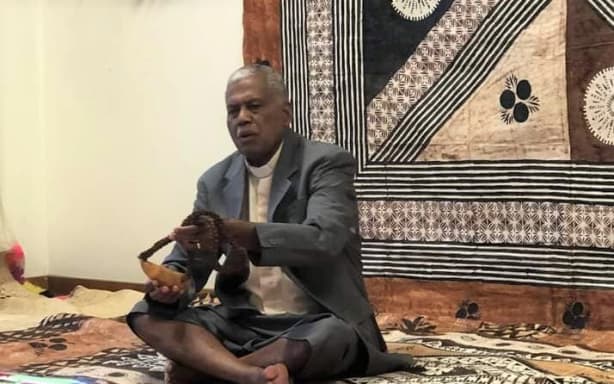
Reverend Dr Semisi Turagavou
Koroturaga Fijian Wesley
He said this is not a cultural issue, as kava has an honoured place within the vanua and among the people.
He added the issue was not yaqona itself, but the absence of discipline, stating over-consumption of the traditional drink has affected church attendance, diminished the energy for evangelism and social outreach and weakened witnessing before congregations and the wider community, becoming a source of ridicule rather than respect.
“We must also recognise that our image matters alongside our message. Too often, the very bodies and bearing of our Ministers and lay pastors tell a story before we ever preach a sermon.
“Bloodshot eyes, weary appearances, dryness of skin, unsteady speech, and visible fatigue communicate the effects of excess. Whether we intend it or not, these things undermine the Gospel we proclaim.”
He said some people have left the church simply because of what they have seen church leaders doing, seeking what they believe to be “greener pastures, not because the Gospel has failed, but because they have been unable to find the spiritual leadership and pastoral care they long for”.
‘Honour our bodies as temples’
Rev Dr Turagavou said the church also maintained its stand on cigarette smoking.
The conference agreed last year to ban smoking by all church ministers, which now includes all lay pastors.
“This is not merely a regulation imposed by the Church; it is an expression of our calling to honour our bodies as temples of the Holy Spirit and to live lives worthy of the Gospel we preach,” he stated.
“Lay pastors stand beside ordained ministers in the pulpit, in homes, at hospital bedsides, and before our congregations. The people do not distinguish between a Minister and a Lay Pastor when it comes to Christian example. Therefore, the standard of discipline cannot be different.
“I encourage every minister and every Lay Pastor who continues to struggle with smoking or with any habit that diminishes their witness to seek help, seek accountability, and seek freedom through Christ. The Church stands ready to walk alongside those who sincerely desire transformation.”
Rev Dr Turagavou also raised the importance of living a free life from financial burdens, plus a life that is focused around health and well-being.
He said non-communicable diseases (NCDs) have become one of the greatest challenges in Fiji and the Pacific and he wants ministers and lay-pastors to express discipline in “what we eat, what we drink, how we rest, how we exercise”.
He stressed that the church suffers when ministers are weakened by diseases and sicknesses.
Rev Dr Turagavou also encouraged ministers to start planning their retirement early and ensure they have land and houses to retire to when they complete their ministerial services.
“Past experience has shown us that many of our Ministers do not retire well, often because they have no house or piece of land of their own to retire to, whether in their village or elsewhere,” he said.
“After decades of faithful service, some find themselves without a place to call home in their final years. This should not be so among us. I therefore urge every Minister, from the earliest years of your service, to plan ahead.”
The conference continues over the next few days, with the annual choir singing also being part of the annual event.
Topics like the ever increasing drug problem, HIV/Aids, rising crime cases, the church’s financial arm and annual budget plus the church’s own stand on same-sex marriage are expected to be part of the conference discussions.
