


For generations, Palau’s turquoise lagoons and rich forests have defined life in the western Pacific.
Today, as the nation prepares to host Pacific leaders for the Pacific Islands Forum later this month, many islanders fear another reality is taking shape – one where their homeland sits on the frontline of growing tensions between the United States and China.
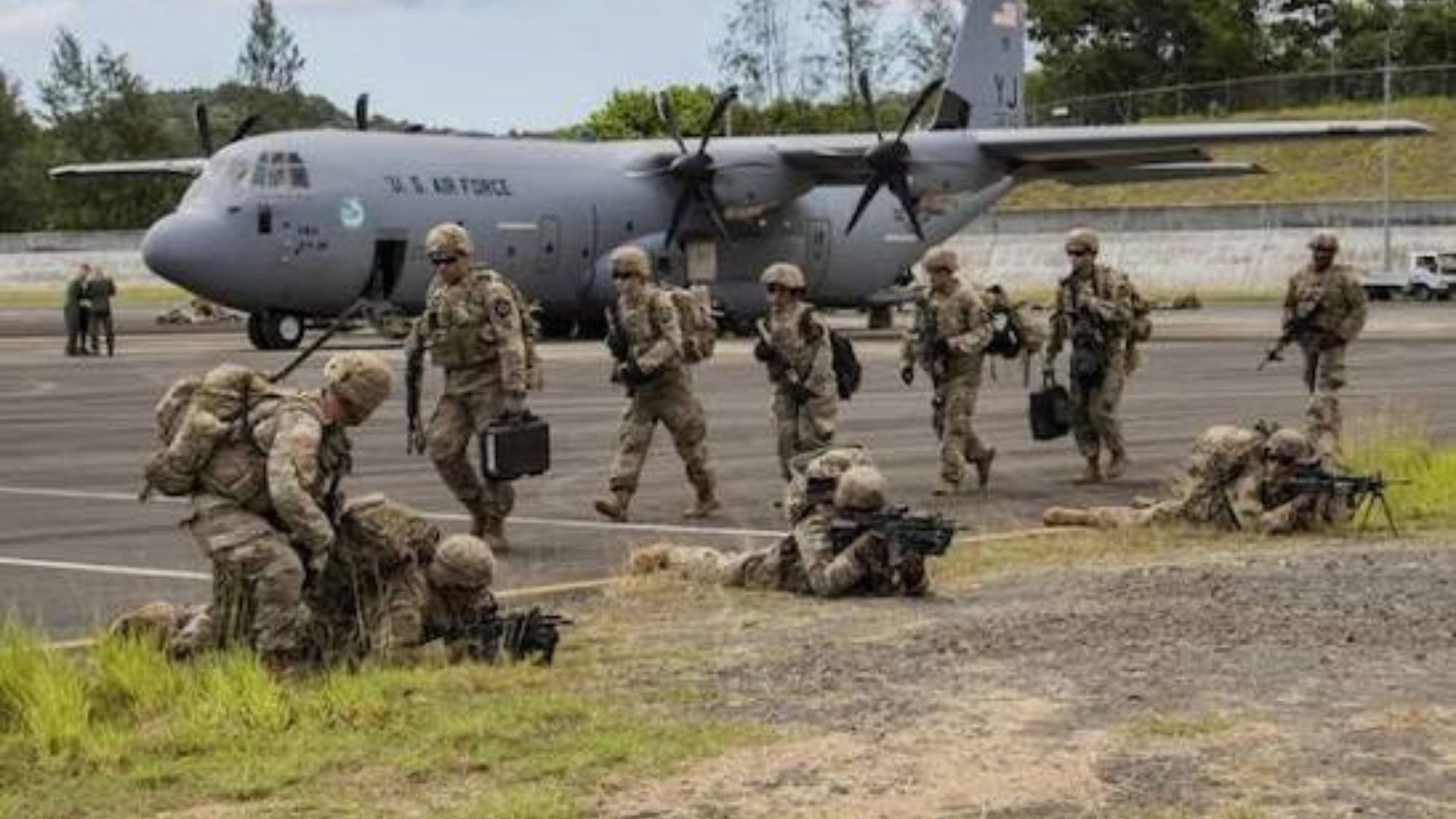
The Pacific nation of about 18,000 people is seeing a major expansion of US military facilities under its long-standing Compact of Free Association with Washington.
While supporters say the projects will strengthen regional security, critics worry about the impact on communities, the environment and Palau’s future.
Among them is 18-year-old Dior Imaim Ngiraboi, who grew up swimming in the waters surrounding Koror and learning the traditional conservation practice known as bul.
“It’s a very, very big part of Palauan culture,” she told SBS News. “It’s something our ancestors knew was a necessity, to allow our environment to heal, to be able to continue providing for us.
Pacific Islands Forum leaders will gather in Palau later this month for their annual meeting, as regional security and growing strategic competition between the United States and China remain key issues for the Blue Pacific. Photo/RNZ Pacific/Caleb Fotheringham
“Growing up, we were told to take care of the environment because it’s taking care of us.”
Ngiraboi was one of seven Palauan students who lodged a complaint with two United Nations Special Rapporteurs in late 2024, claiming the growing US military presence is harming local communities and the natural environment.
The allegations have not been tested in court. The United States says it takes environmental concerns seriously but disputes the students’ claims.
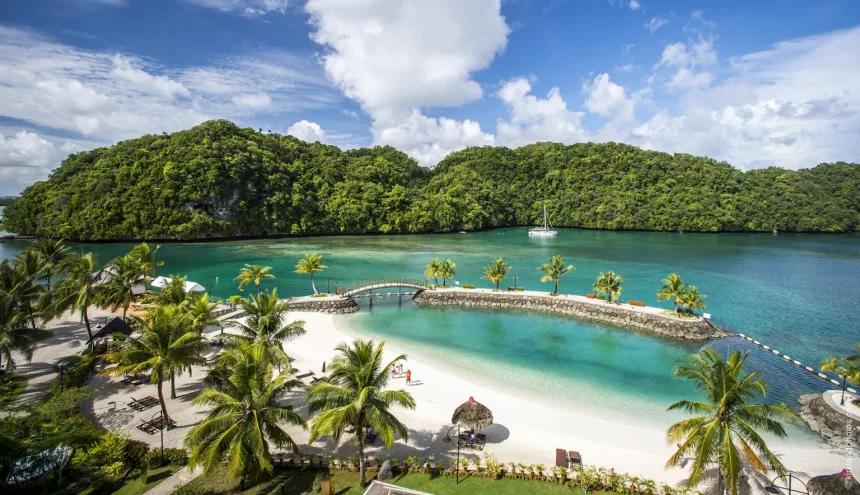
Palau’s crystal-clear waters and coral reefs around Koror are central to the country’s culture, identity and tourism, with many islanders saying protecting the natural environment remains a top priority. Photo/outlooktravelmag.com
The military expansion includes upgrades to World War II-era sites, construction of a 22-hectare Tactical Mobile Over-the-Horizon Radar (TACMOR) facility and plans to expand Malakal Port so larger vessels, including warships, can use the harbour during regional emergencies.
The US says the radar system will improve the ability of America and its regional partners to monitor air and sea activity across the Pacific.
Sergeant Major Jimmy Castro, senior enlisted leader of Joint Task Force-Micronesia, said the US remained committed to regional peace.
“Our partnership with Palau serves as a warning to potential adversaries that any conflict in this region will be a grave miscalculation,” he told the network.
Palau has become increasingly important as competition between Washington and Beijing grows. US Defence Secretary Pete Hegseth has described the western Pacific “second island chain”, which includes Palau, as the “tip of America’s spear in the Pacific”.
The strategic pressure has also been felt at sea. Earlier this year, Palau complained to China after a Chinese-flagged research vessel allegedly entered the country’s Exclusive Economic Zone without notice.
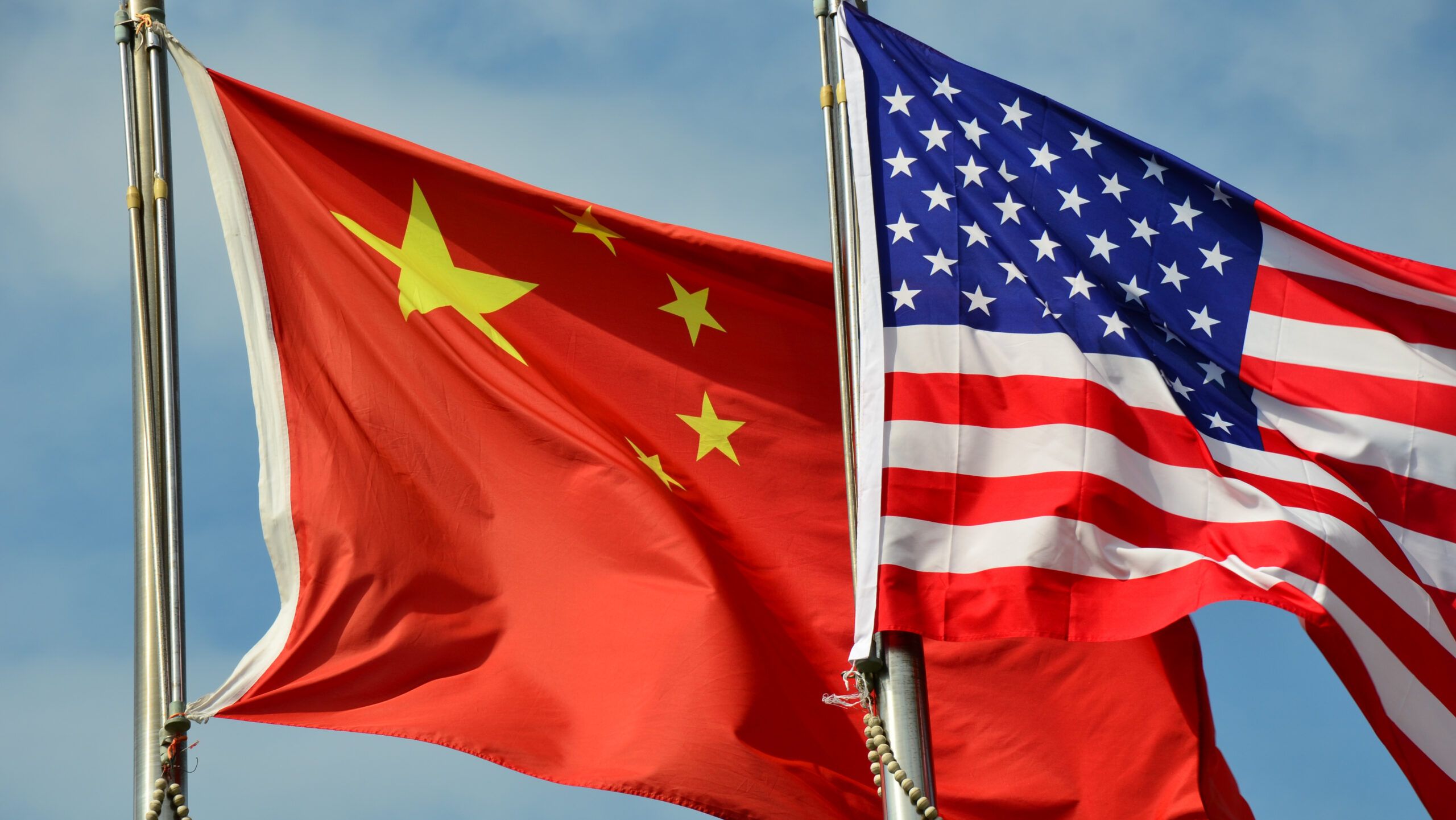
Palau has become an important focus in the strategic rivalry between the United States and China, as the two powers compete for influence across the Pacific region. Photo/Missouri State University
Palau said the vessel appeared to be carrying out unauthorised research that threatened its national security. China has previously defended similar activities as being consistent with international law.
Security analyst Jodean Remengesau said many Palauans were becoming increasingly aware of the geopolitical pressure.
“It seems like they’re testing the waters,” she said in the SBS report. “We’re in an oasis mindset.
“It seems like things these days are quite peaceful, but it’ll impact us sooner or later. It’s almost like the big elephant in the room that no one wants to acknowledge.”
Veteran Palauan journalist Kambes Kesolei said he had never seen such a large US military presence since the Compact of Free Association came into force in 1994.
“Every time you put military installations in an area where there’s high tension and geopolitical rivalry, you make yourself a target; you’re in the crosshairs,” Kesolei told SBS.
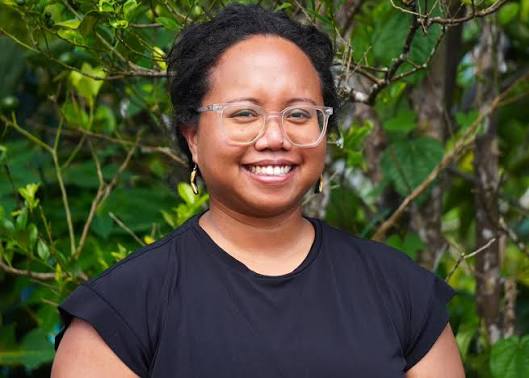
Palau-based security expert Jodean Remengesau says growing geopolitical competition in the Pacific is becoming harder to ignore, warning the effects will reach island nations as tensions between the United States and China continue to rise. Photo/Ministry of Agriculture, Fisheries, and the Environment – Palau
Palau is also one of only three Pacific nations that recognises Taiwan, adding another layer to its strategic importance.
Former US Army serviceman Tutii Chilton believes the country has been placed in an impossible position.
“This is not our issue. Palau doesn’t have any enemies. Our only enemies are our friends’ enemies,” he also told the network.
The US rejects suggestions that the partnership is unequal, pointing to decades of economic support, defence cooperation and the high number of Palauans serving in the US military.
Former Palau vice-president Elias Camsek Chin, who spent 23 years in the US military, believes the relationship has benefited the country.
“The US has been trying to maintain peace throughout the world for a long, long time,” he said. “It’s the other countries that don’t want to be friends with us.”
The students’ complaint later received a response from UN-appointed Special Rapporteurs, who expressed “deep concern” over reported breaches of Palau’s environmental protection laws.
The response was based on information supplied by the students and was not a legal finding against the United States.
The 2026 Pacific Islands Forum leaders meeting will be held in Koror from 30 August to 4 September. For more information, click here.
