


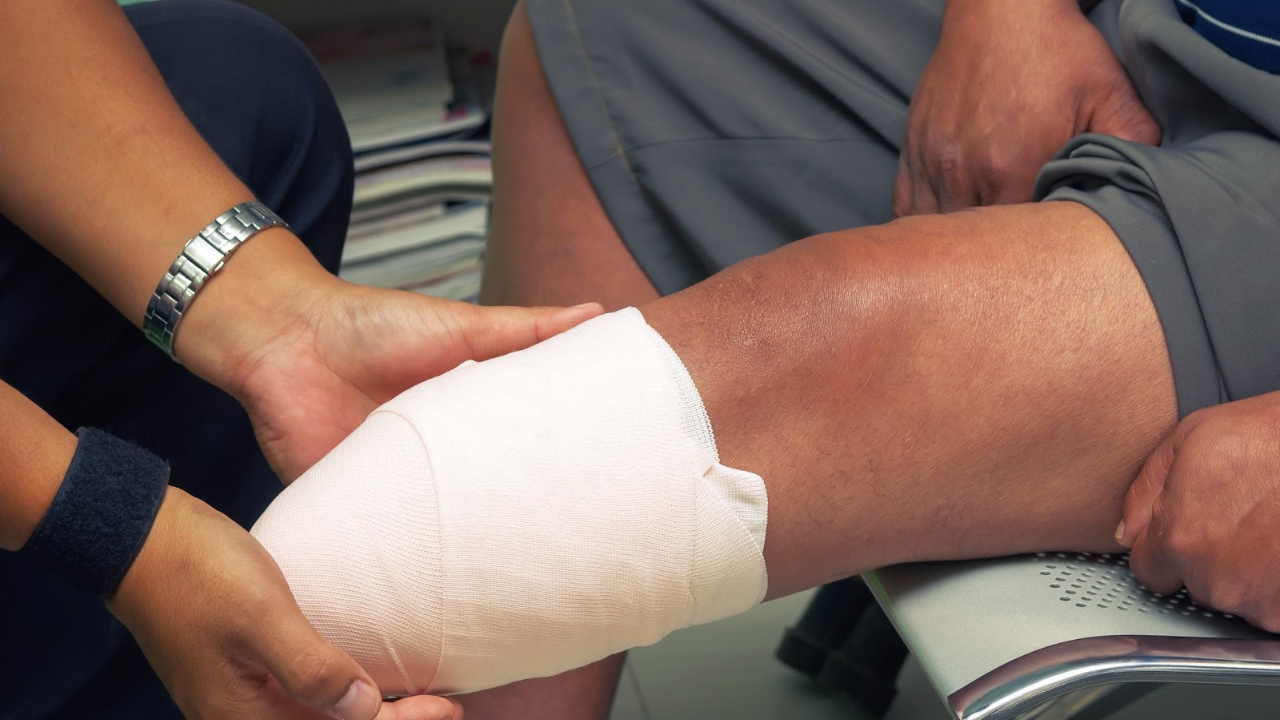
Person with a leg amputation
The Hope Centre Fiji says 80 percent of its patients receiving prosthetic support are diabetic, with many coming from financially disadvantaged backgrounds.
Chair Sanjit Patel says patients often face significant physical and emotional challenges after amputation, with many relying on family members for daily support.
He says financial hardship makes recovery and long-term care more difficult for patients and their families.
Patel adds that many patients seeking prosthetic support come from vulnerable backgrounds, with poor diabetes management contributing to complications that often result in
amputation.
“Unfortunately, they eat unhealthy food or cheap food, which is obviously mostly unhealthy. We’ve got soft drinks, which is sugar. We’ve got food, bread, noodles. Those are
all unhealthy foods. They don’t help in any way. Once people who are diabetic patients don’t take care of their feet, the disease spreads and unfortunately they have to get
amputated. They are the people who are the poorest, unfortunately.”
For diabetes patient Dalip Singh, maintaining mental strength has been important in dealing with the challenges after his amputation.
He says losing willpower can make the journey even harder as patients adjust to life after losing a limb.
With diabetes continuing to contribute to amputations in Fiji, there are calls for early intervention and better disease management to prevent more life-changing
complications.
